Yacht charter in Sitges
A yacht charter in Sitges explores a varied stretch of Catalonia’s Mediterranean coast rather than an island group or deeply sheltered cruising ground. Across approximately 17 kilometres of shoreline, sandy urban beaches give way to the limestone cliffs and small coves of the Garraf coast. Three recreational ports provide access to different parts of this setting.
Sitges itself adds an appealing shore-based dimension. The old town, waterfront restaurants, nightlife and Modernista heritage are all close to the sea, so a coastal outing can be combined with time around La Punta, the Passeig Marítim or the museums near Racó de la Calma. The area is particularly suited to short, visually engaging passages and days divided between cruising, swimming when conditions permit and exploring ashore. For a broader view of possible regions and cruising styles, travelers can also compare yacht charter destinations in Spain.
Coastal places to explore
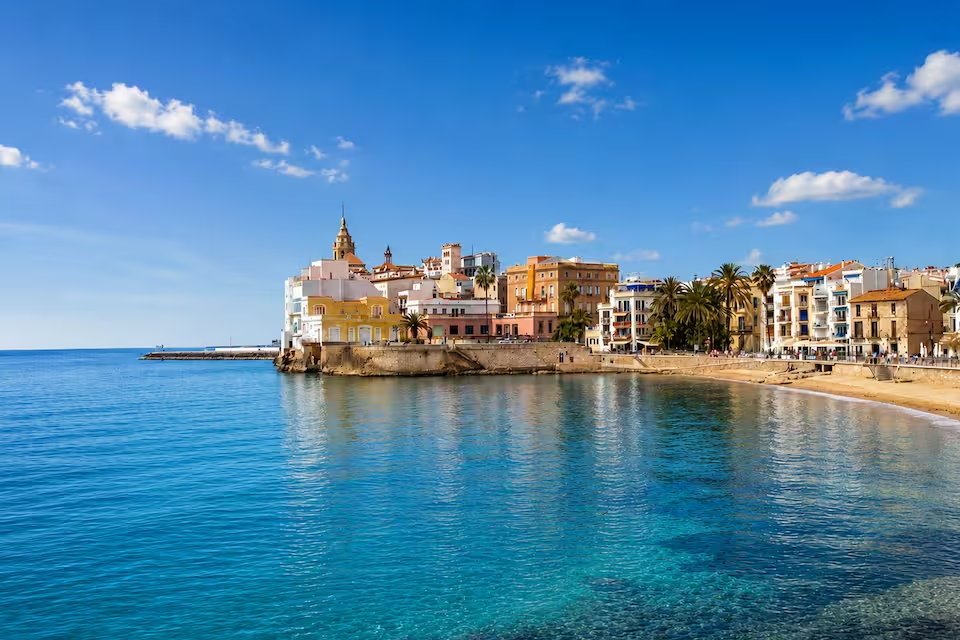
The central and southwestern shoreline presents the more urban side of Sitges. From Port de Sitges–Aiguadolç, a cruise past Balmins and Sant Sebastià reveals La Punta and the Church of Sant Bartomeu i Santa Tecla from sea level. Continuing along the waterfront brings the long beaches and seafront architecture of Terramar into view, followed by the less developed coast toward Els Colls i Miralpeix and Vilanova i la Geltrú.
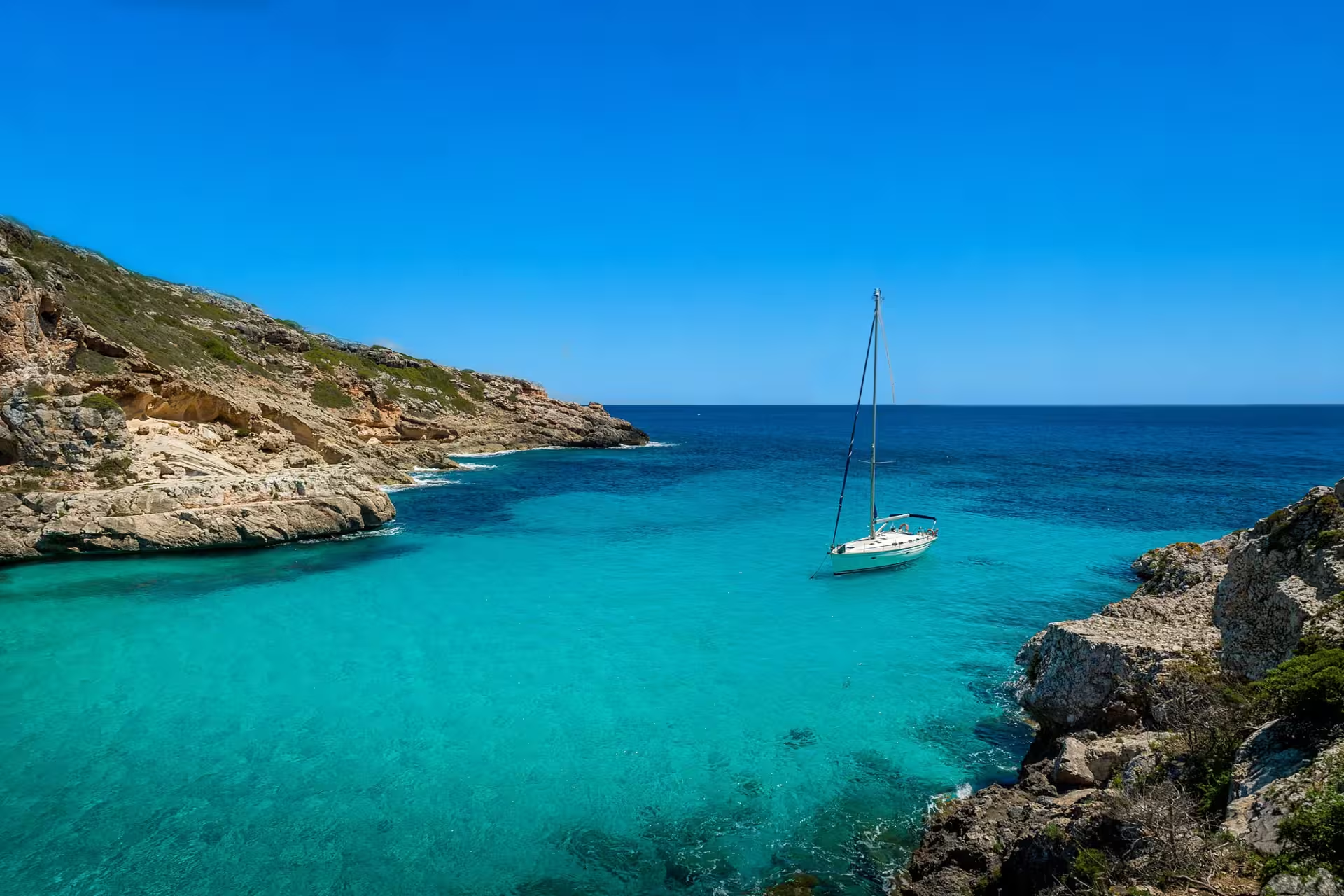
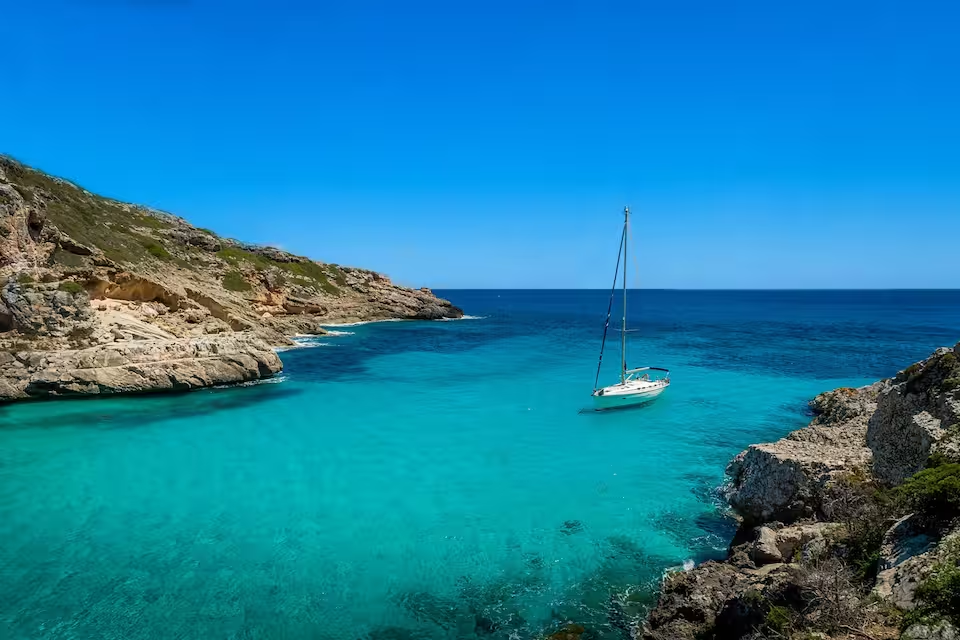
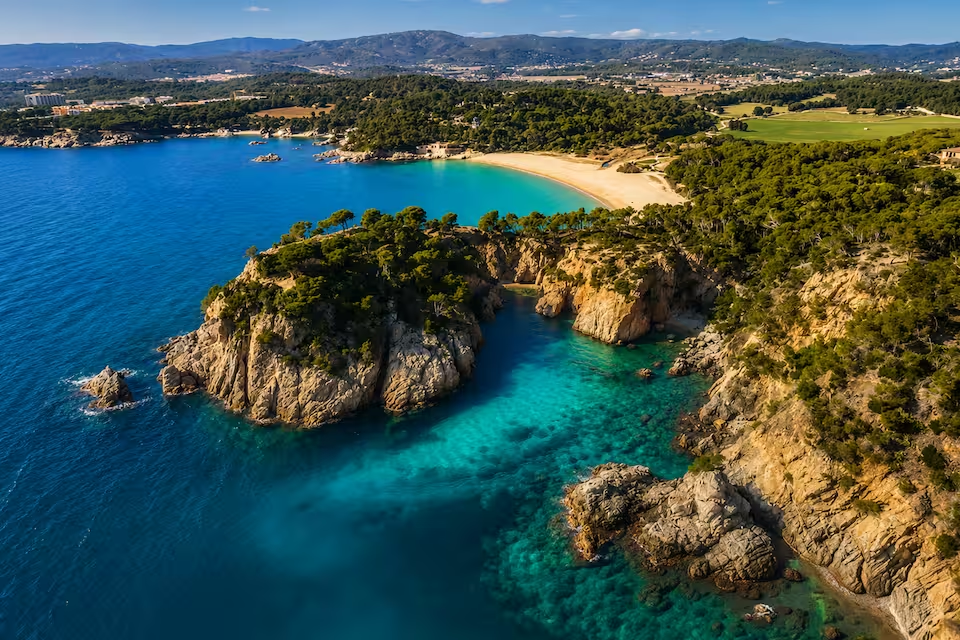
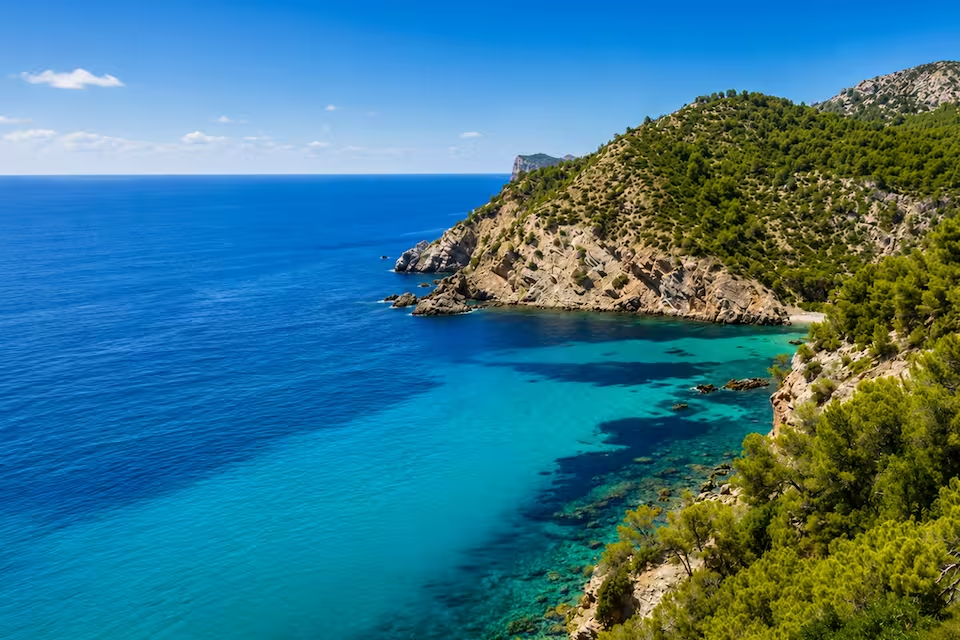
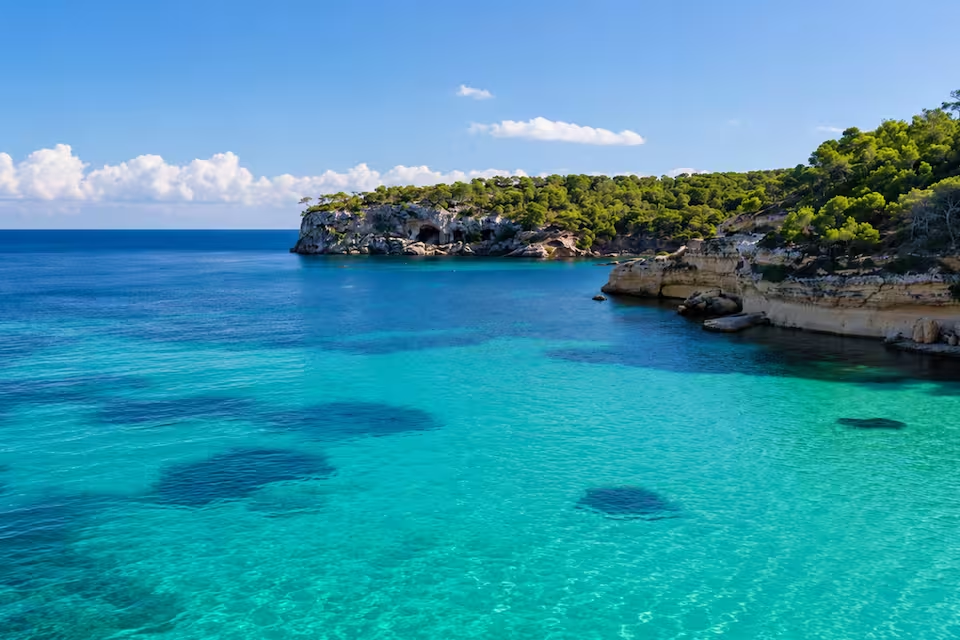
Northeast of Aiguadolç, the scenery changes around the Garraf massif. Limestone cliffs, separated coastal settlements and coves such as Cala Morisca and Cala Ginesta create a more rugged backdrop. Garraf is also recognizable for its historic green-and-white beach huts. This section is exposed, however, and close exploration of cliff-backed coves is appropriate only in settled conditions. Sitges has no significant offshore islands, so the emphasis is firmly on mainland coastal cruising.
What cruising around Sitges is like
Cruising around Sitges generally involves short, line-of-sight passages along an open coast. This makes the geography easy to understand from a traveler’s perspective, but it does not mean that conditions are always simple. Reliable shelter is concentrated in Port de Sitges–Aiguadolç, Port del Garraf and Port Ginesta; the stretches between them remain exposed to Mediterranean wind and swell and offer fewer all-weather refuges than an island-filled cruising area.
During spring and especially summer, a southern or southwesterly sea breeze commonly builds through the day. The local thermal garbí often strengthens during the afternoon before easing after sunset, which can influence departure times and the comfort of return passages. Easterly weather can produce rougher seas along the cliffs and beaches, while thunderstorms become more frequent from late summer into autumn. Overall sailing difficulty is moderate, with forecast awareness and flexible routing important even on relatively short trips.
Best time for a Sitges yacht charter
The principal recreational boating season runs from late spring to early autumn. June and July are particularly suitable months, combining warmth, sunshine and active waterfront services; July is typically the driest and sunniest month. August and September remain part of the main season, although late-summer thunderstorms can make daily weather checks more important.
May and October can offer worthwhile shoulder-season opportunities, but suitable conditions are less consistent than in summer. October also falls within the period when easterly weather and rain may have a greater effect on this exposed shoreline. Winter outings are possible during settled forecasts, yet colder water, shorter daylight and less dependable leisure-boating windows make this a less typical period for a yacht holiday.
Coastal route ideas
A short northeastward outing from Port de Sitges–Aiguadolç toward Cala Morisca follows the transition from the town’s beaches to the Garraf cliffs. It is a compact way to experience Sitges’ contrasting coastal landscapes, provided the exposed section is approached in suitable weather.
The southwestward route toward Terramar and Vilanova offers a longer coastal progression. It passes Sitges’ principal waterfront landmarks before continuing by Home Mort, Desenrocada and the coast of Els Colls i Miralpeix toward Vilanova lighthouse. Both directions work naturally as day-cruise concepts, with the final distance and stopping plan determined by sea conditions and the charter’s departure point.
Experiences on the water and ashore
One of the defining experiences of a Sitges yacht charter is seeing the town’s architectural profile from the water. La Punta and its church mark the historic waterfront, while the Passeig Marítim and beaches extend toward Terramar. In the opposite direction, the Garraf cliffs create a sharper natural contrast to the urban shoreline.
Time ashore can introduce the cultural history behind that view. The Cau Ferrat Museum, Maricel Museum and Palau de Maricel reflect Sitges’ role in Catalan Modernisme, shaped in part by artist Santiago Rusiñol. The town also retains a fishing tradition based at Port de Sitges–Aiguadolç.
Food provides another connection to the coast. Seafood and fishing traditions sit alongside local specialties such as xató, a winter salad made with escarole and salted fish, and Malvasia de Sitges, a locally associated sweet wine. These elements make Sitges well suited to charters that combine manageable cruising distances with substantial time in town.
Access, marinas and departure areas
Barcelona–El Prat Airport is the principal air gateway for Sitges. The town is connected with Barcelona and Vilanova i la Geltrú by Rodalies trains and regional buses, while the C-32 motorway and coastal C-31 provide road access. Rail journeys from the airport involve a change at El Prat de Llobregat.
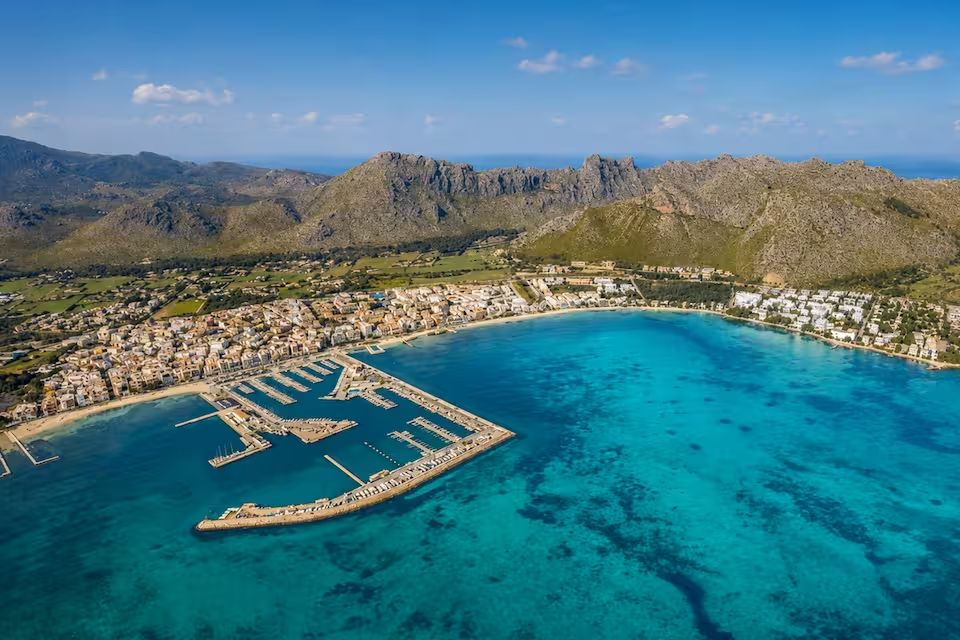
Port de Sitges–Aiguadolç is the most convenient of the three ports for combining a yacht trip with the central town. It provides direct access to the coast and lies within walking distance of the old town. Port del Garraf and Port Ginesta serve separate settlements farther northeast, closer to the rugged Garraf shoreline. They are not beside Sitges’ central railway station, so transfers need to be planned separately.
Sitges therefore functions both as a place to explore from the water and as a possible departure area, depending on the specific charter arrangement and marina.
Planning your charter
When comparing yacht charter or boat rental in Sitges, first check the exact departure port. Aiguadolç suits travelers who want easy access to the old town, whereas Port del Garraf and Port Ginesta place the northeastern coast closer at hand but require different ground-transport planning.
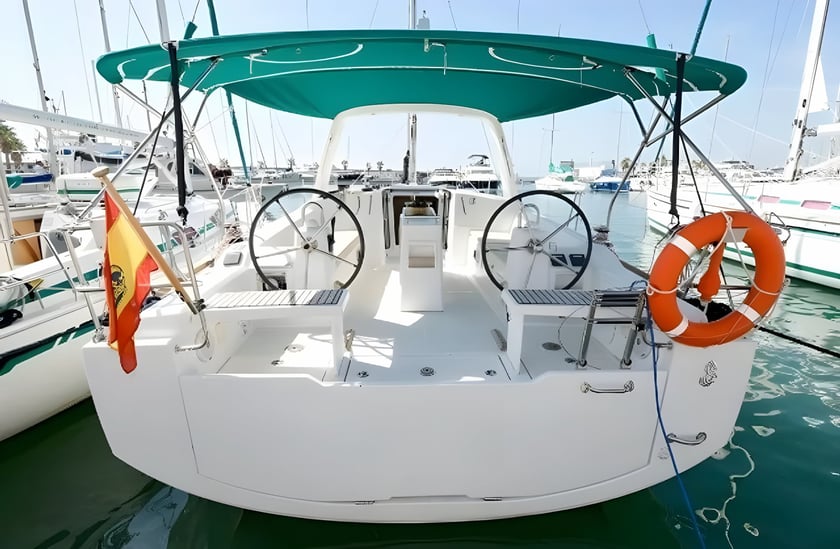
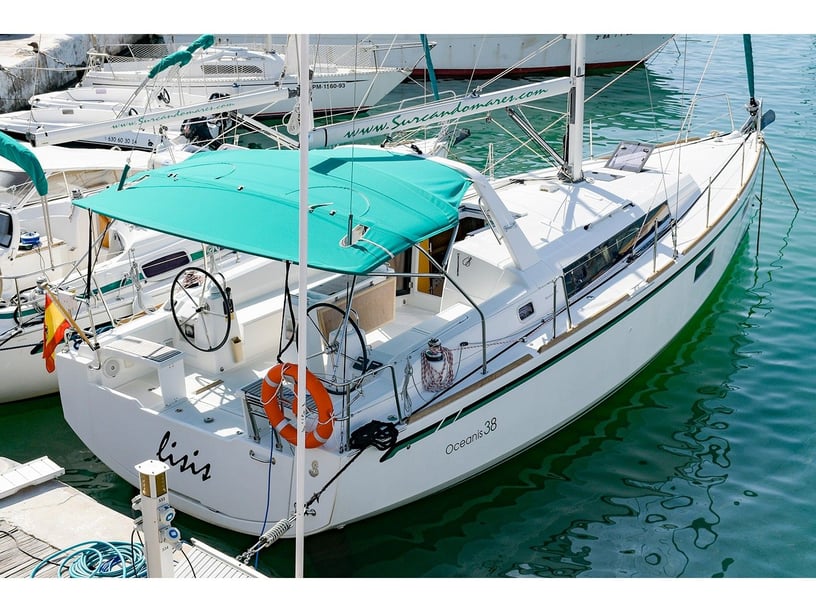
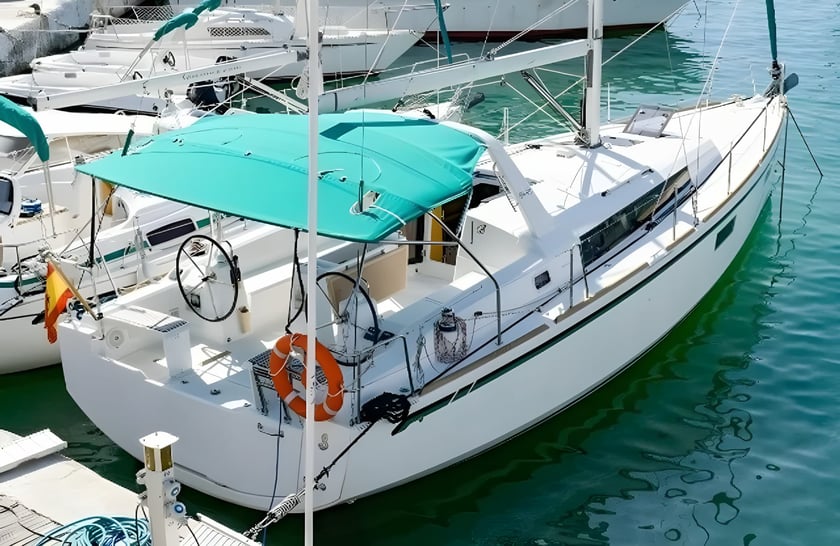
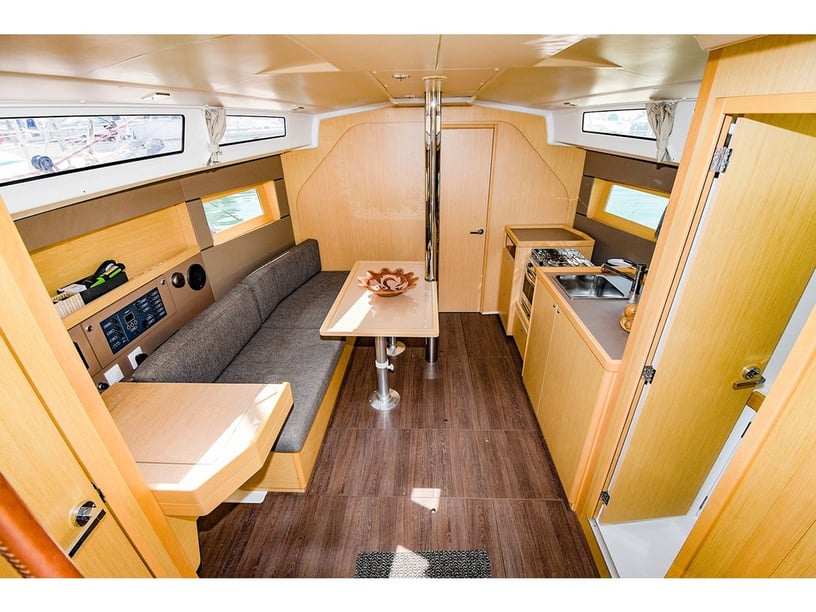
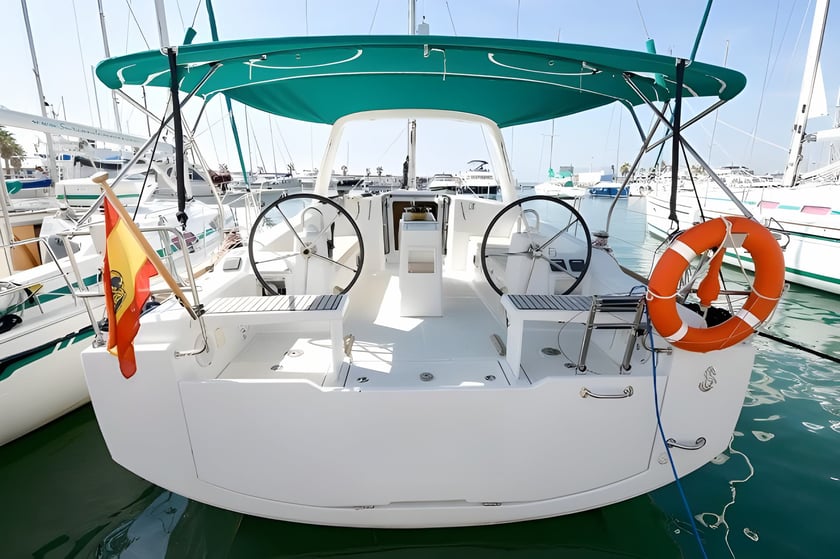
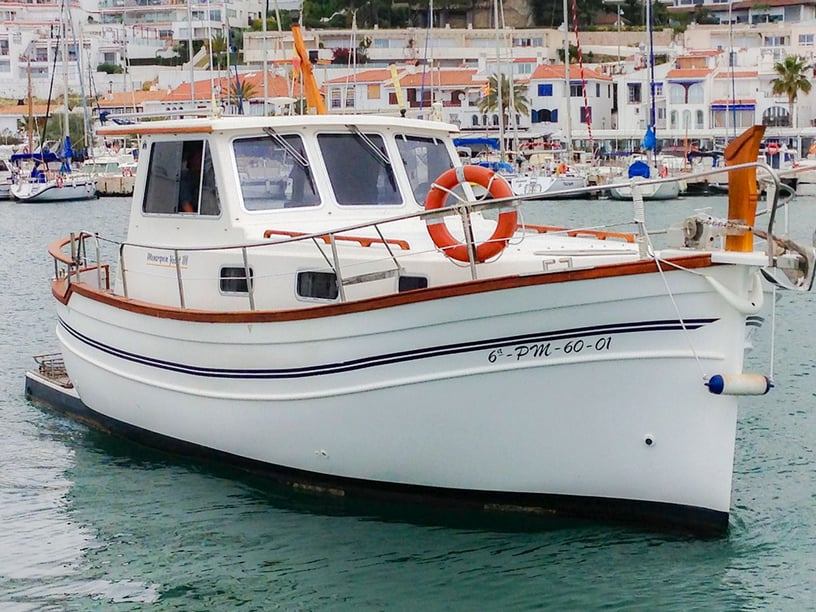
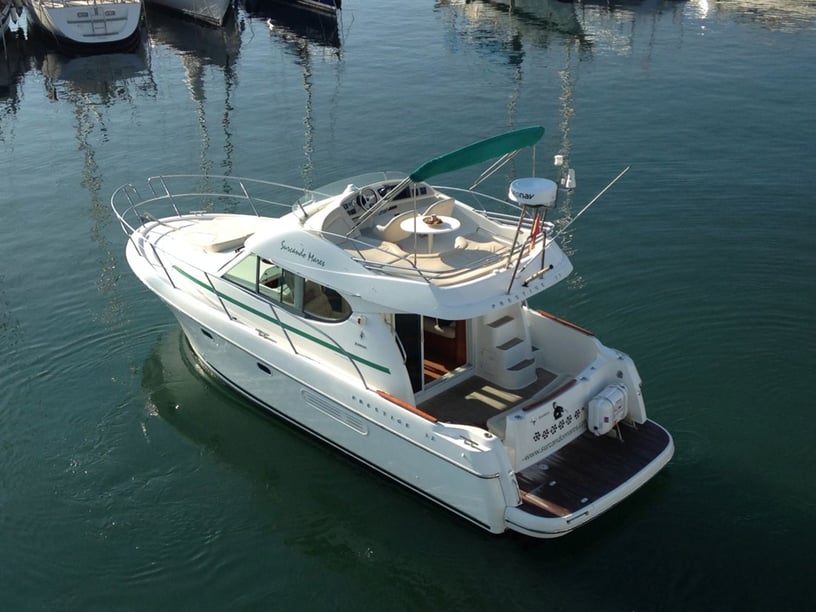
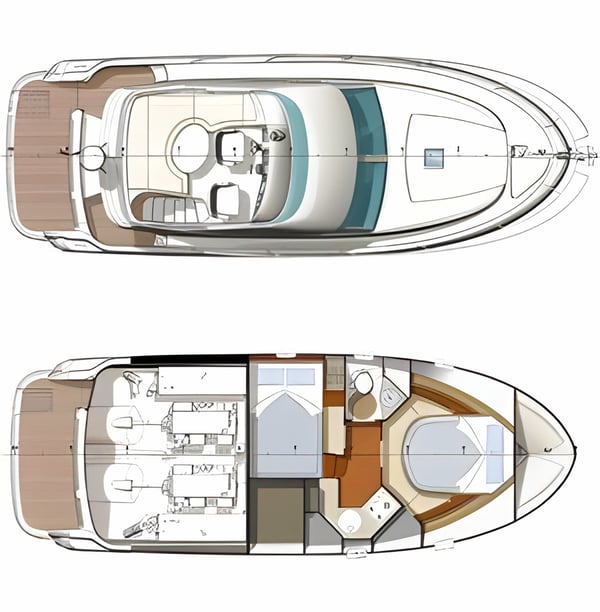
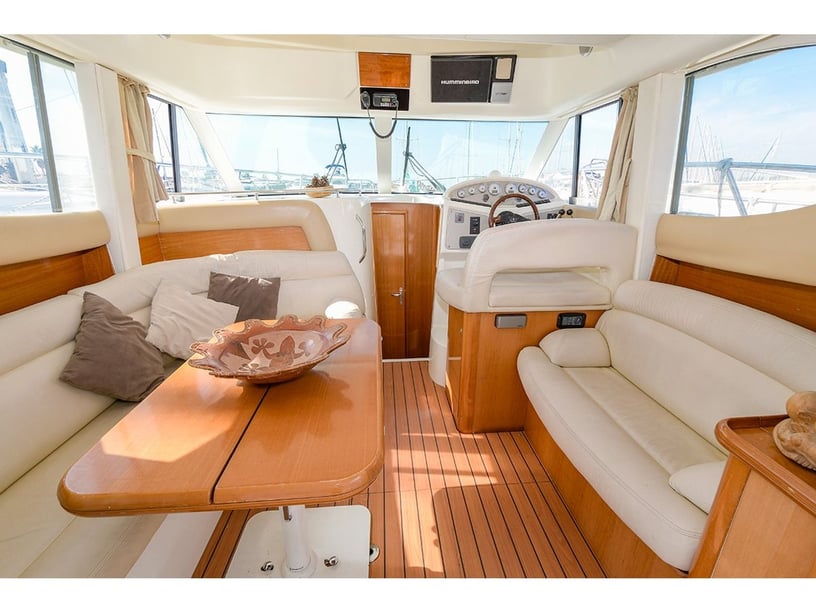
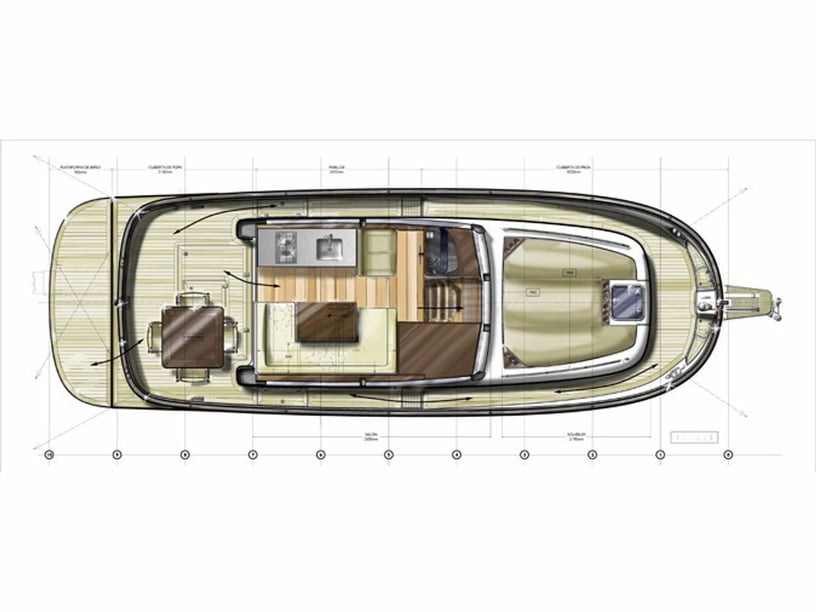
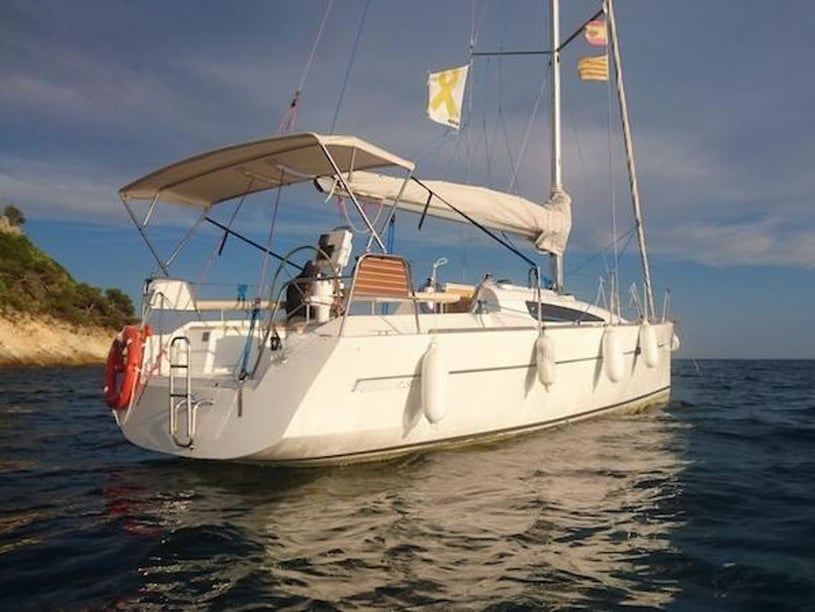
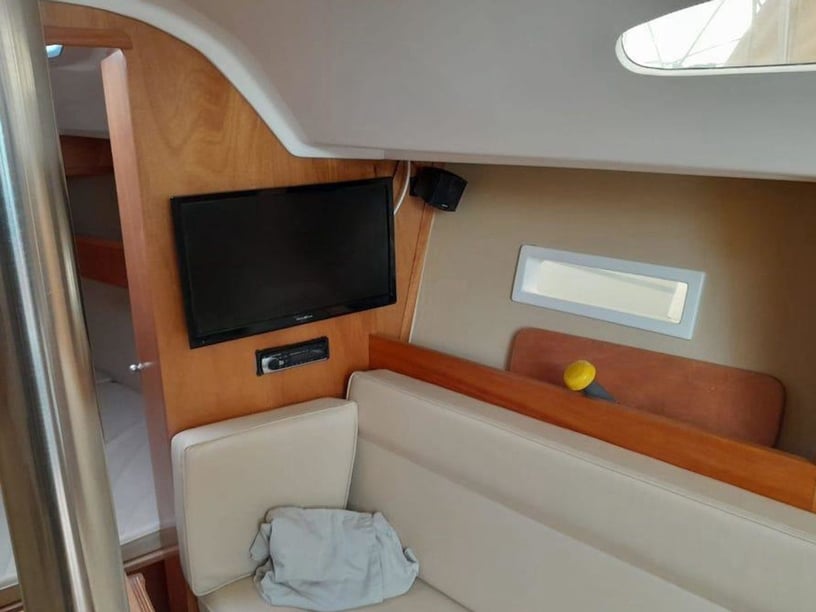
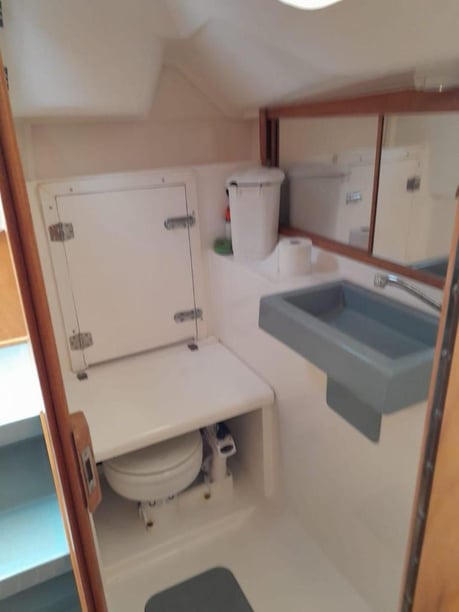
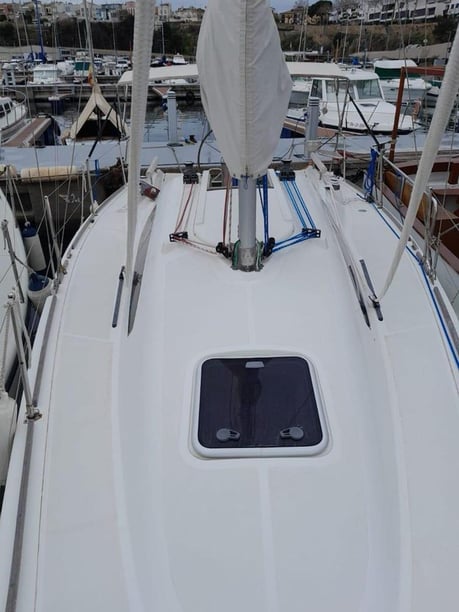
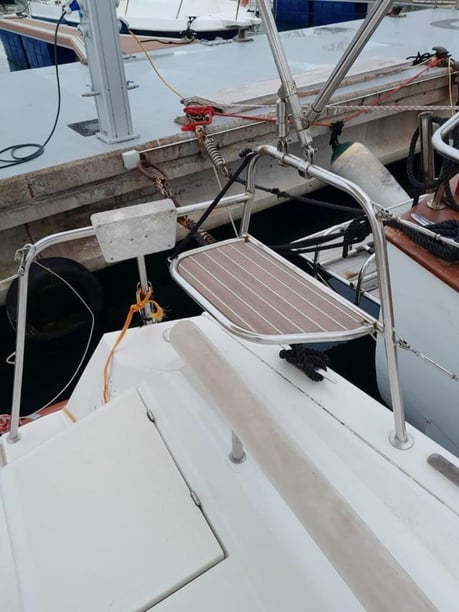
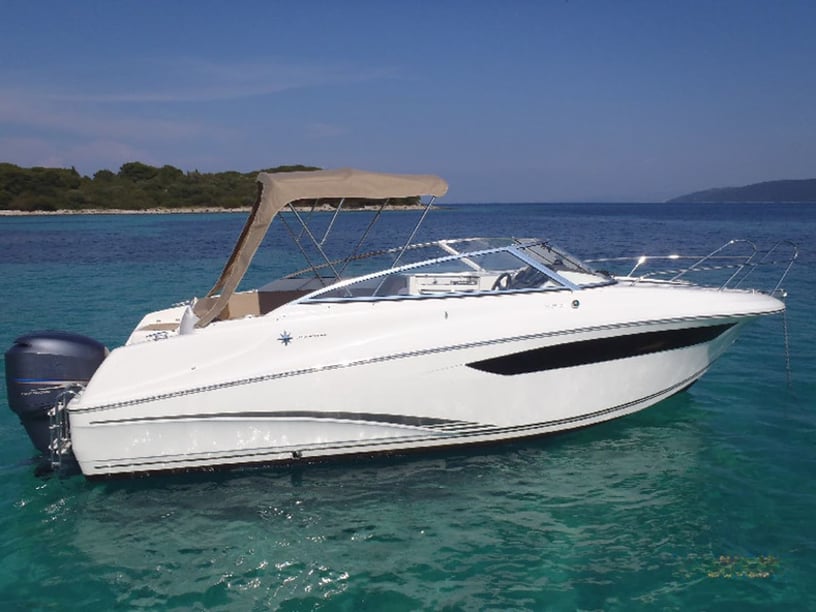
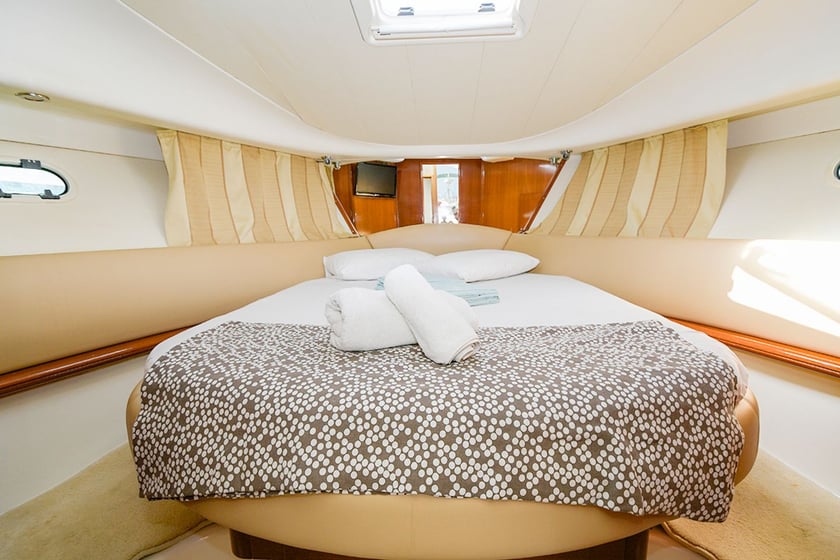
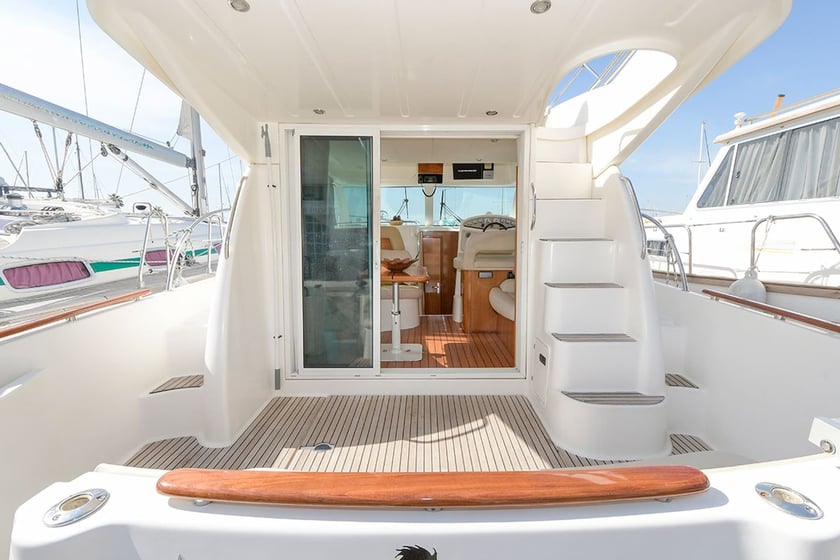
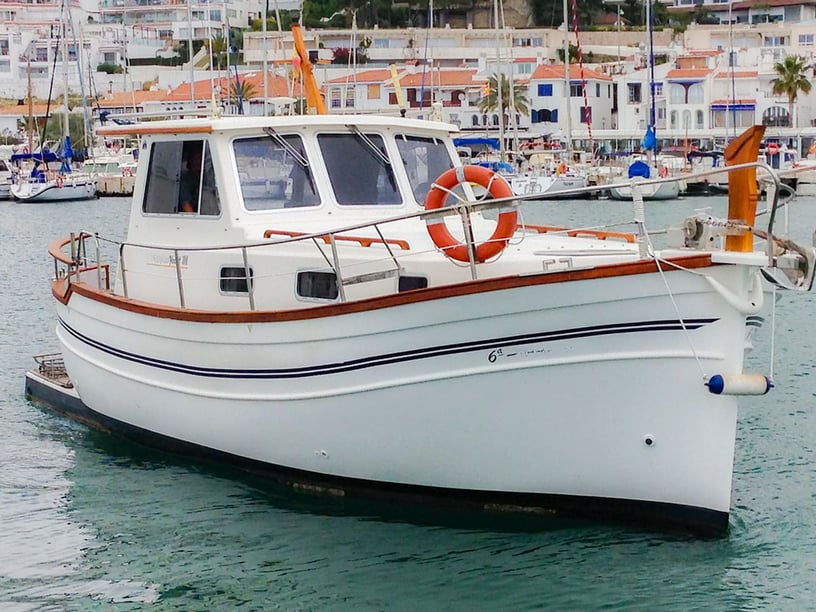
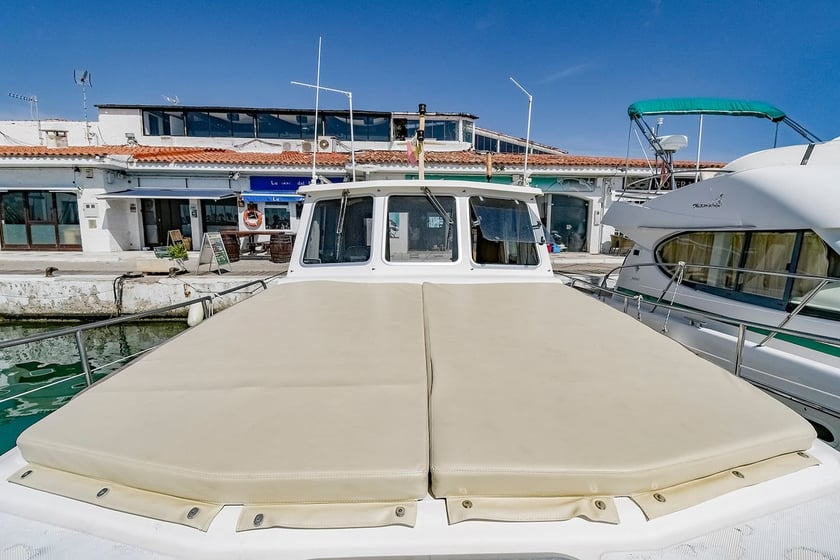
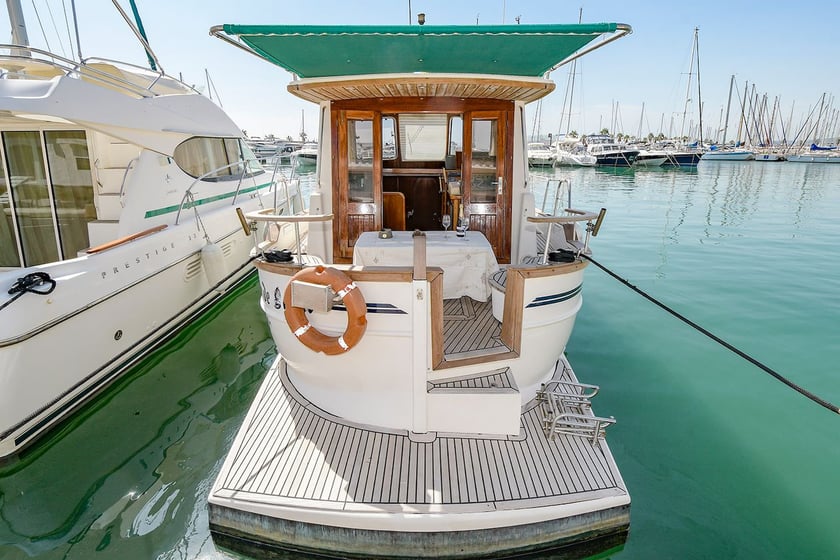
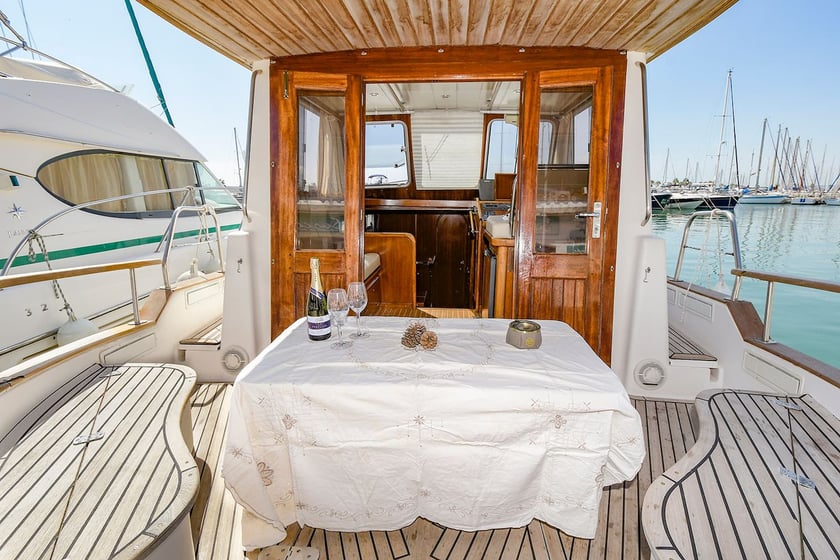
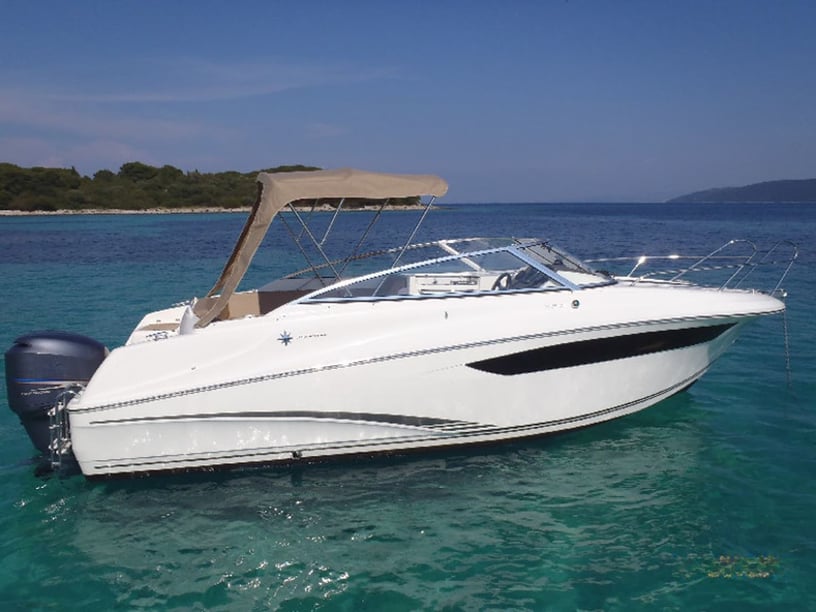
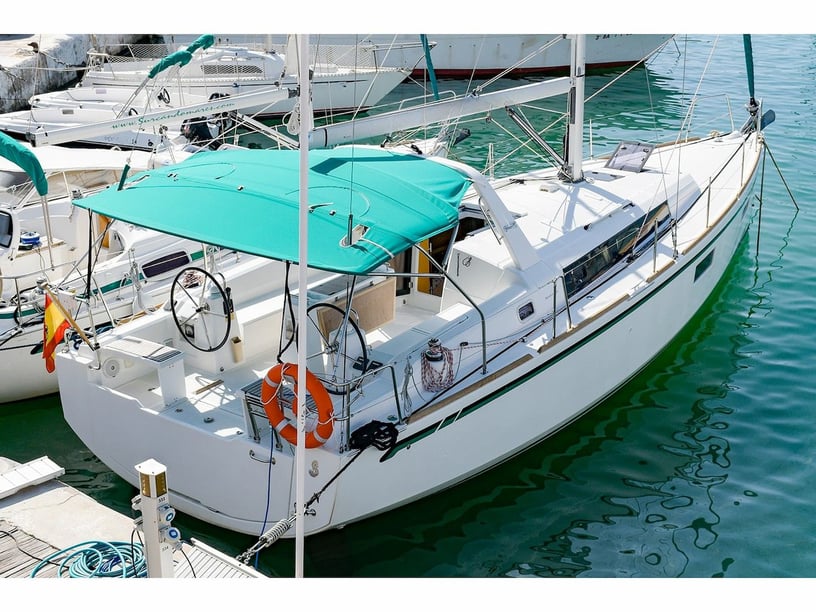
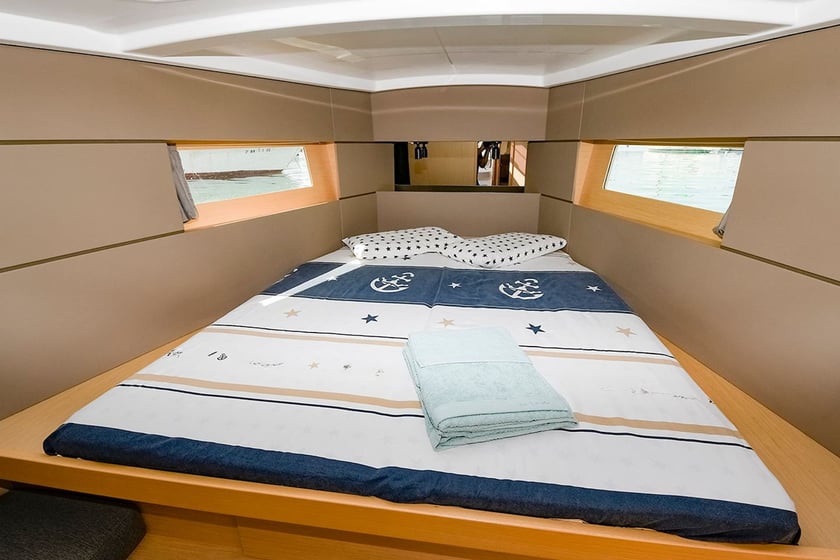
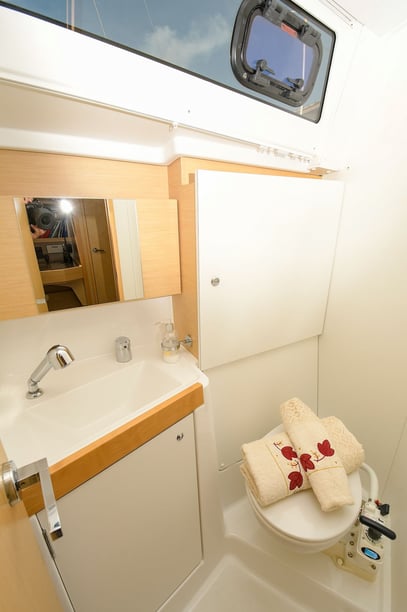
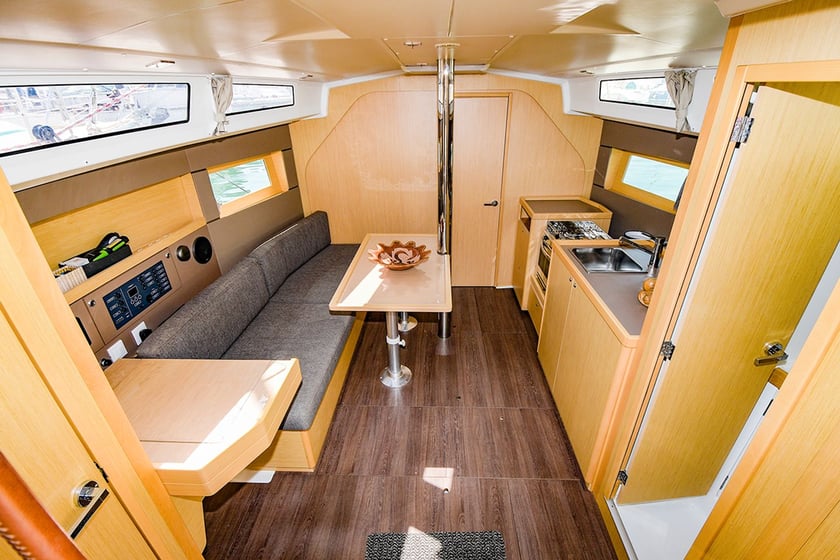
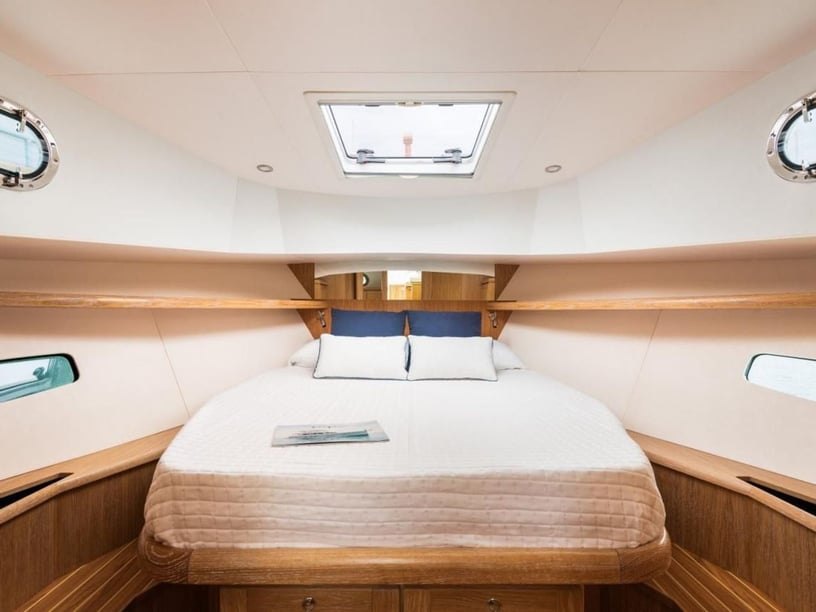
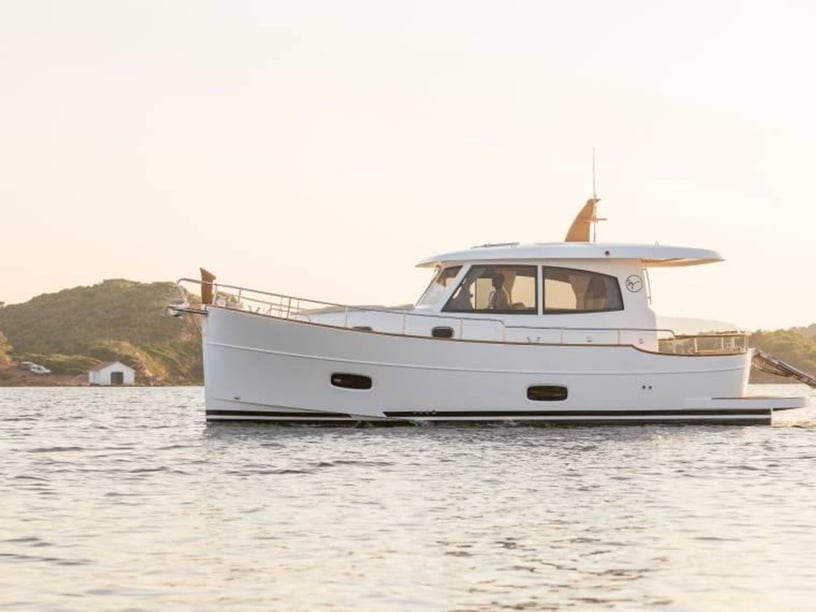
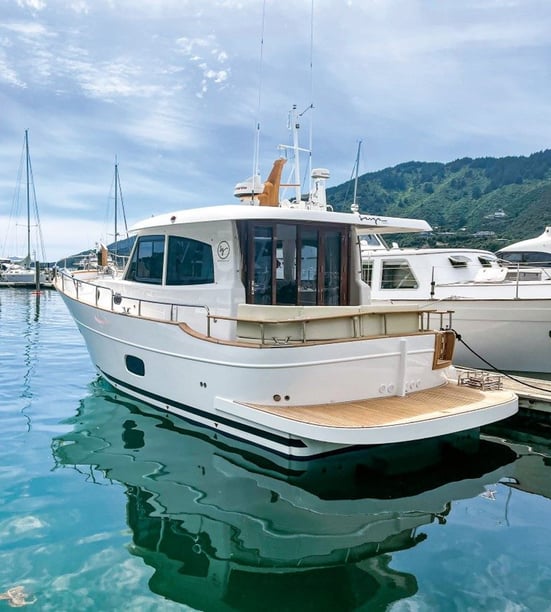
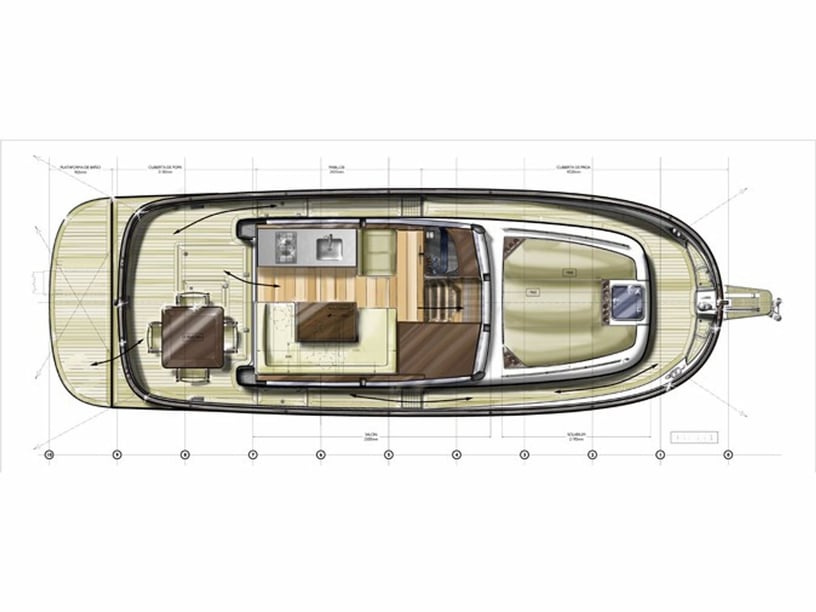
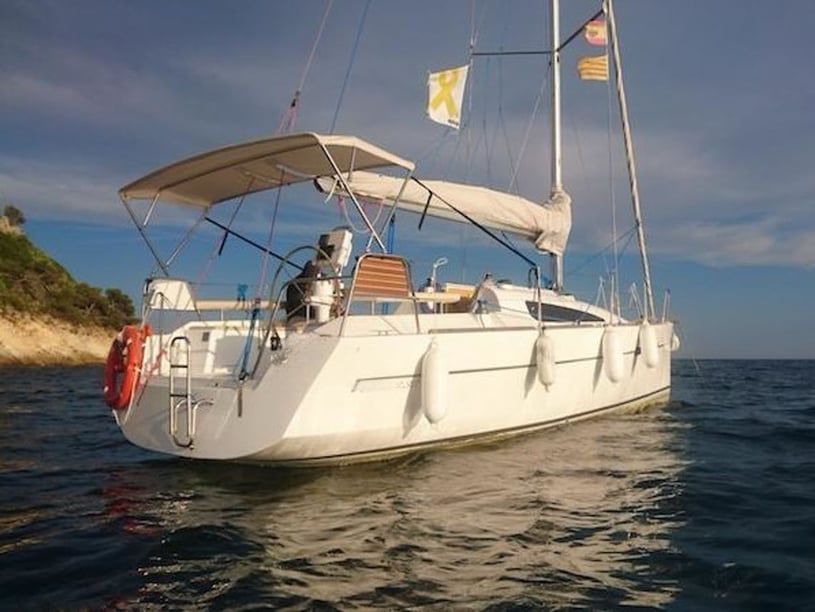
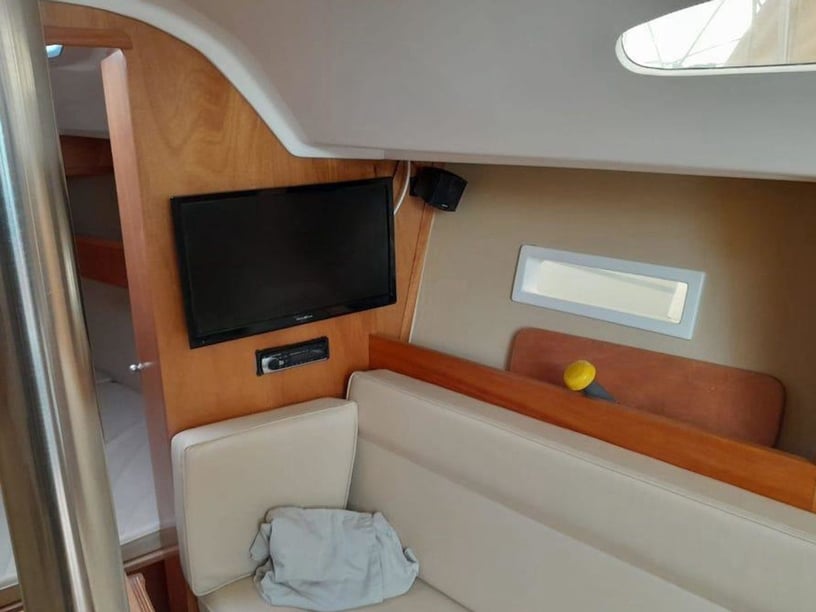
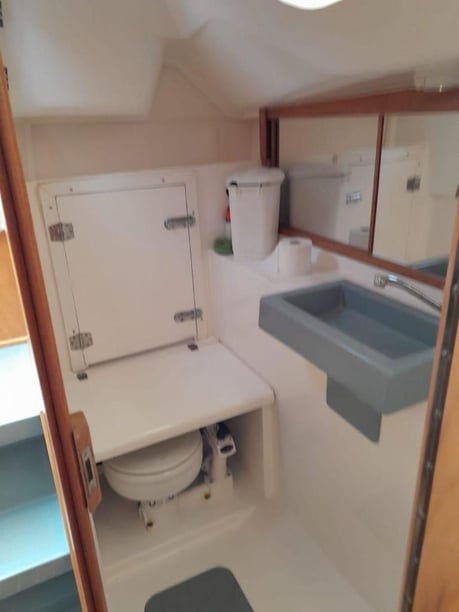
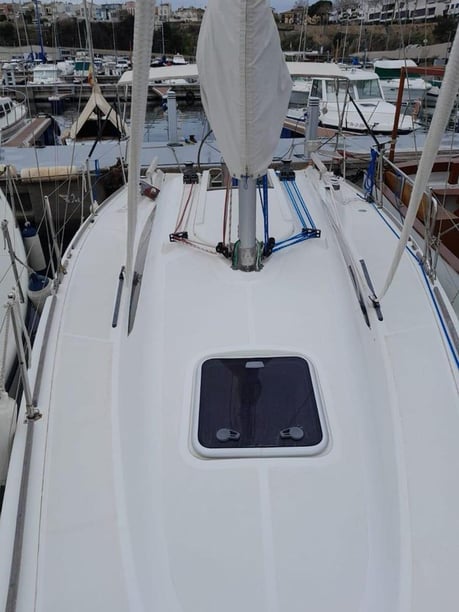
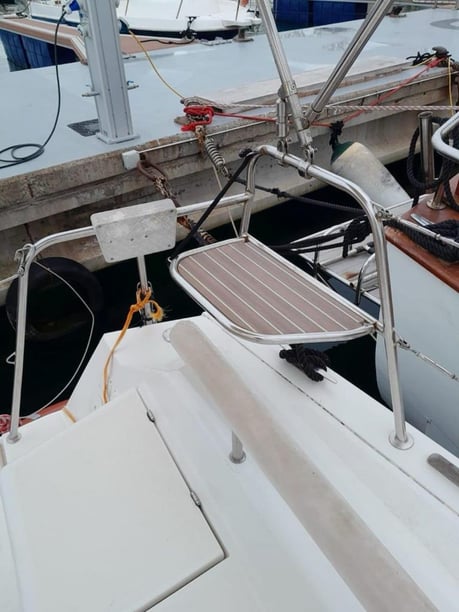
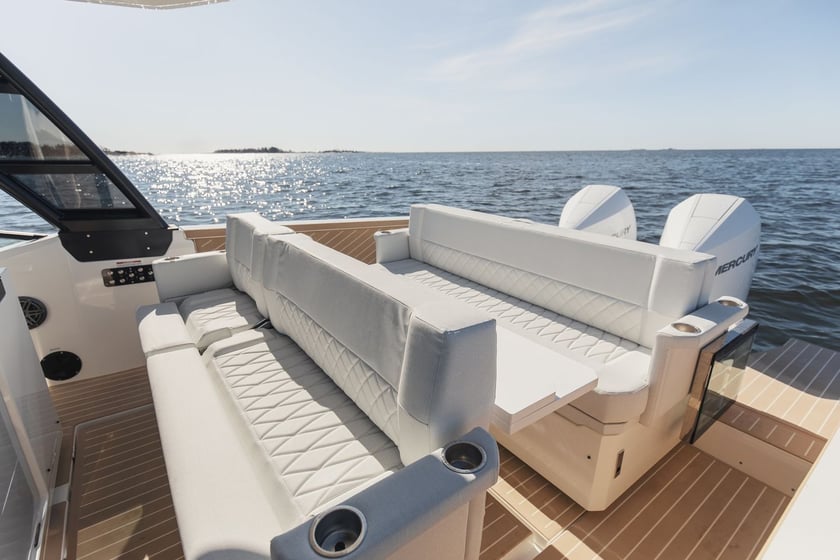
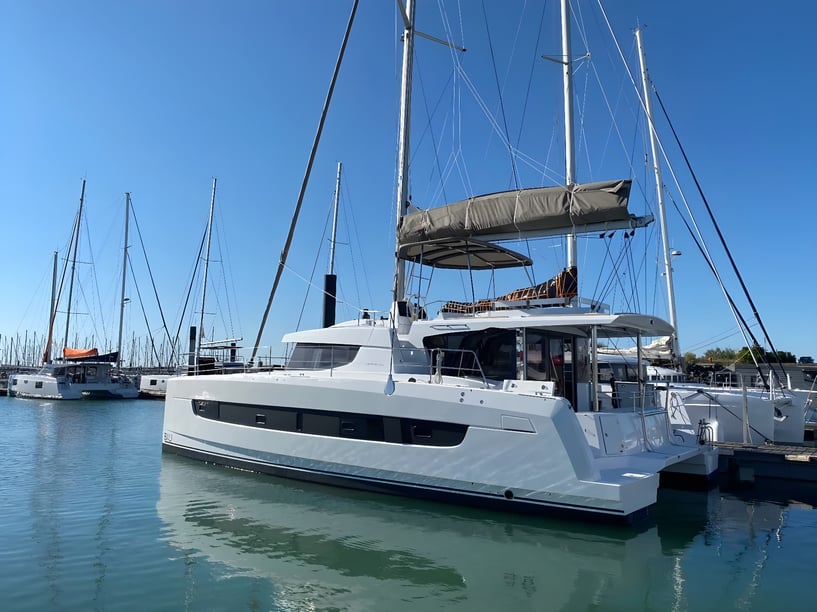
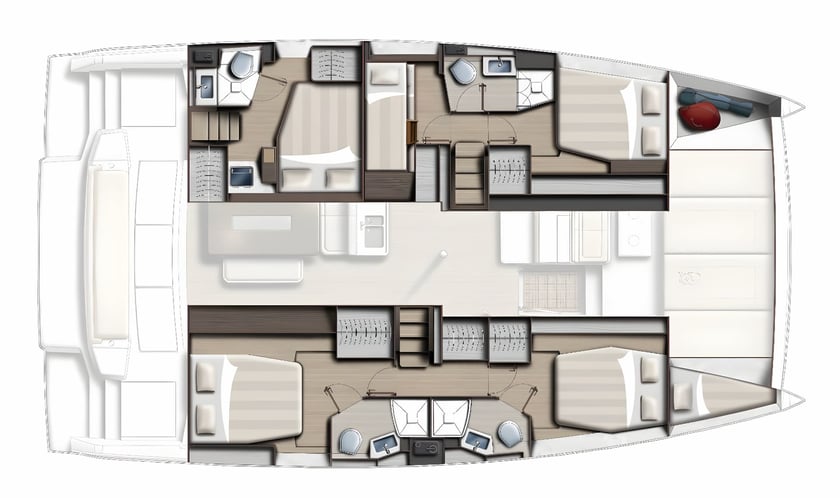
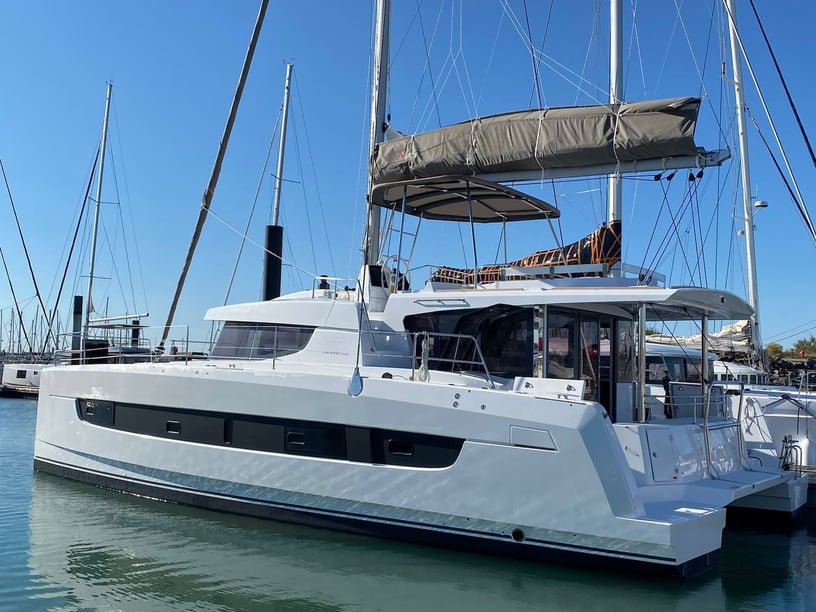
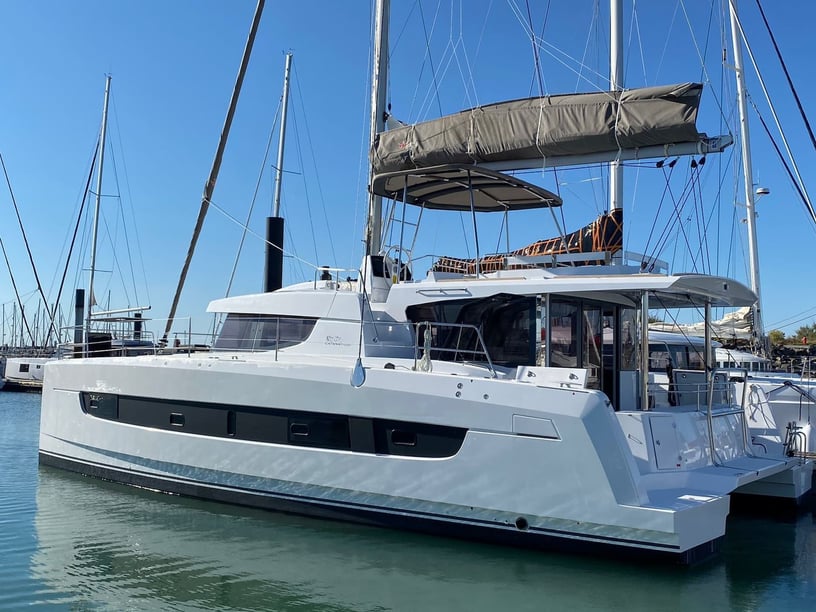
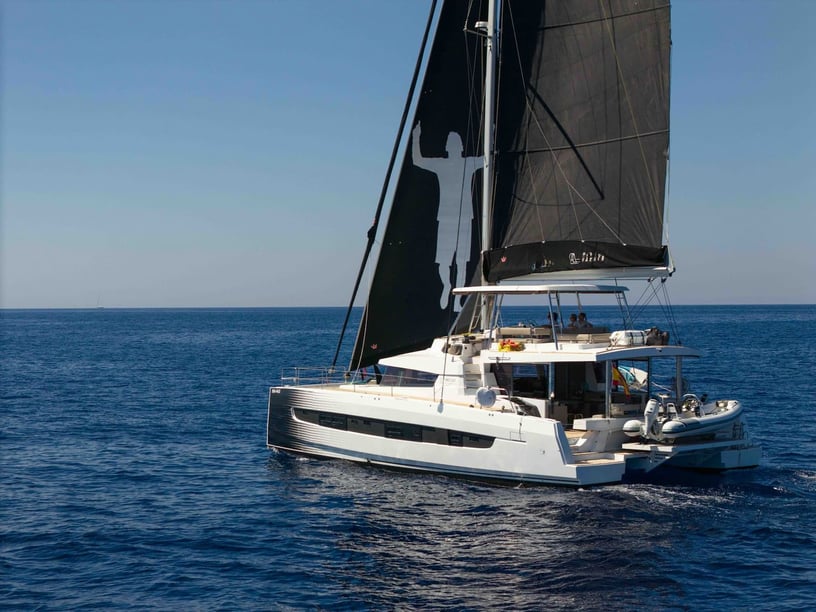
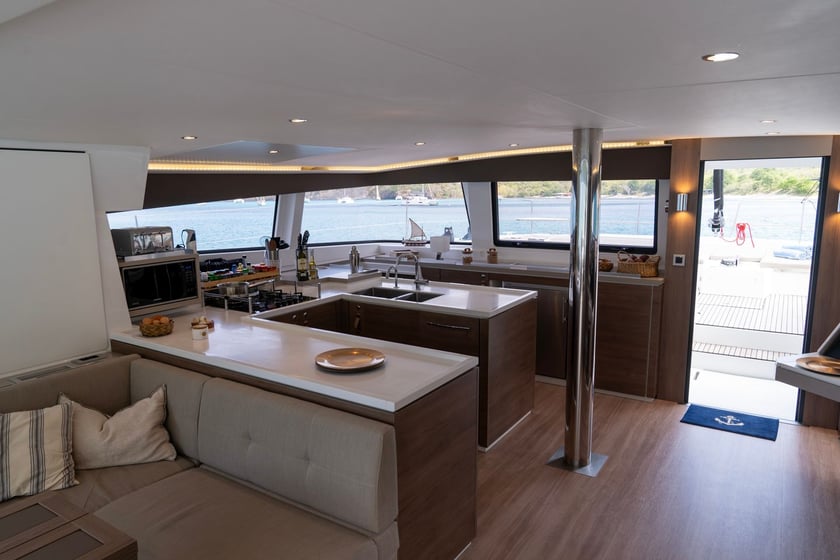
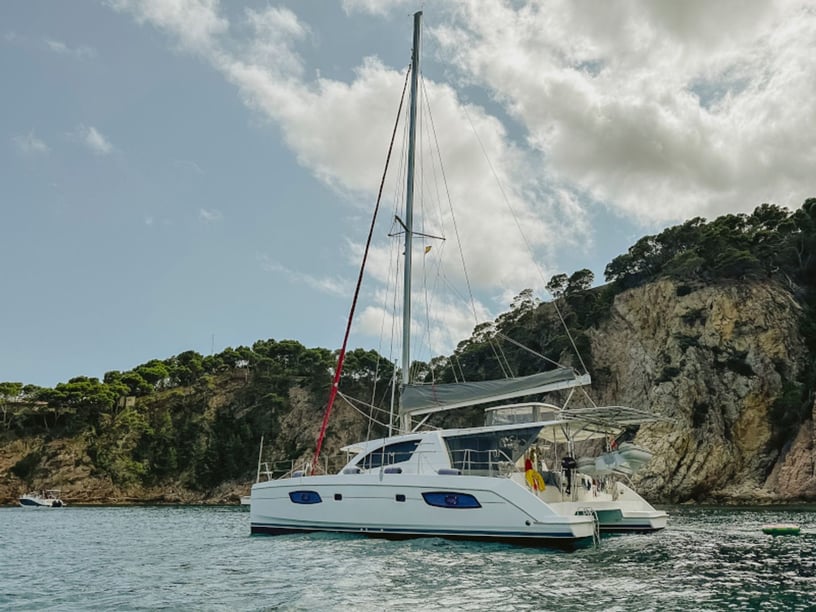
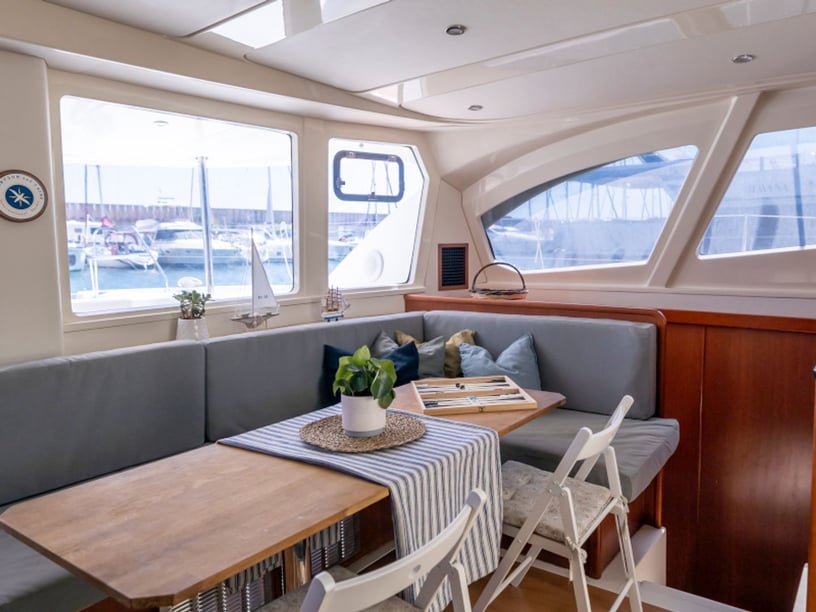
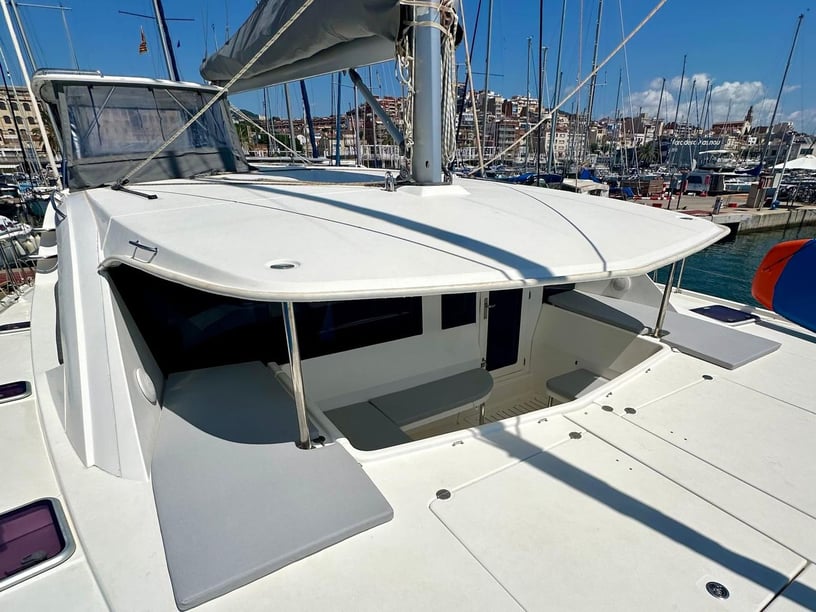
Boat choice should reflect the intended pace as well as the forecast. Travelers considering wind-powered coastal cruising can review sailboat charter in Sitges, while motorboat charter in Sitges may be relevant when comparing options for shorter coastal outings. In either case, confirm the charter format, permitted cruising area, capacity, onboard facilities and weather policy in the individual listing rather than assuming that all trips operate in the same way.
Before departure, consult the current AEMET coastal marine forecast and port information. Plans should account for afternoon sea breezes, the limited shelter outside the ports and the possibility of rapid changes during thunderstorms or easterly weather. Marked bathing zones, navigation channels and seasonal beach restrictions must also be respected. For travelers without suitable coastal experience, the exposed nature of the shoreline is an important factor when deciding whether a professionally operated charter is the more appropriate format.