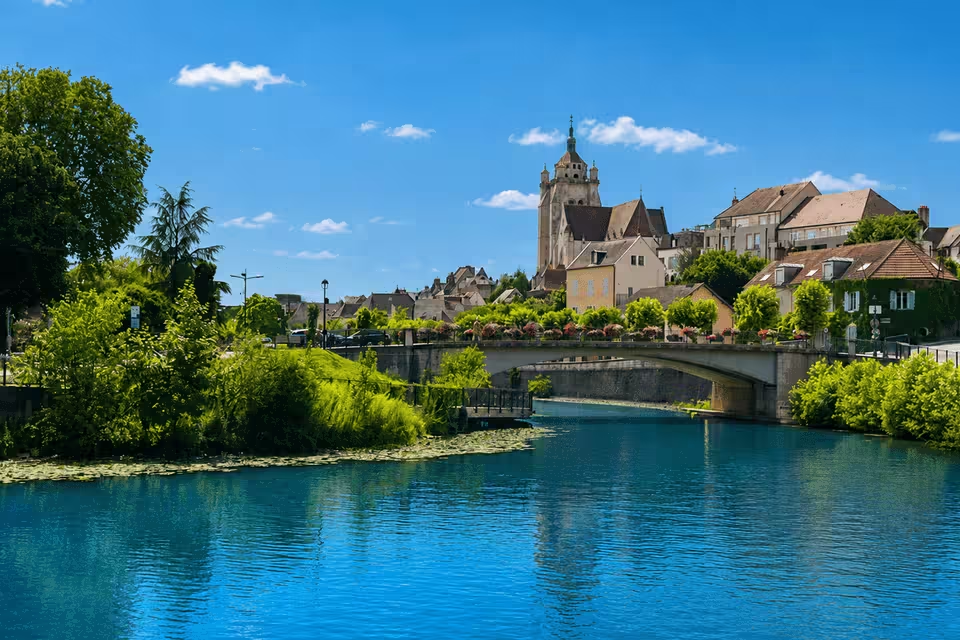
Yacht charter in Joigny
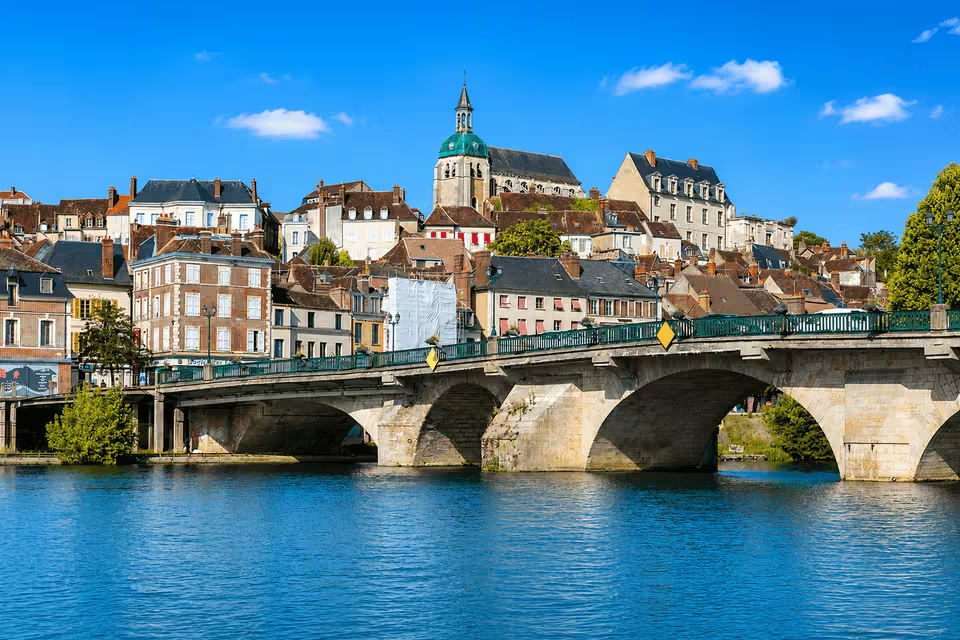
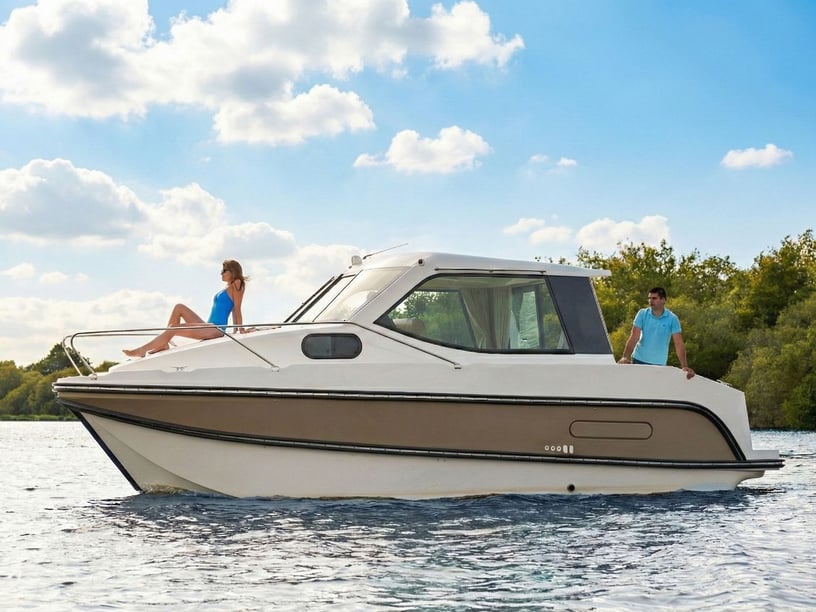
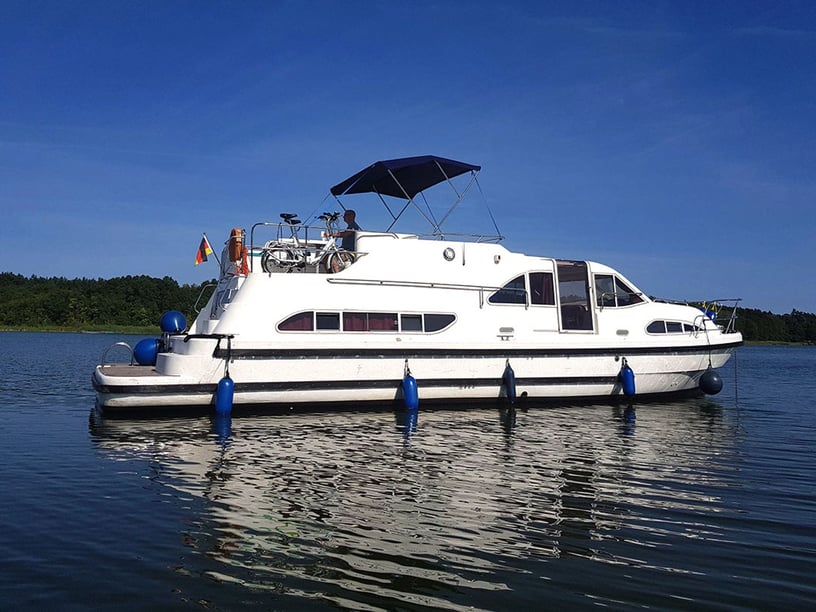
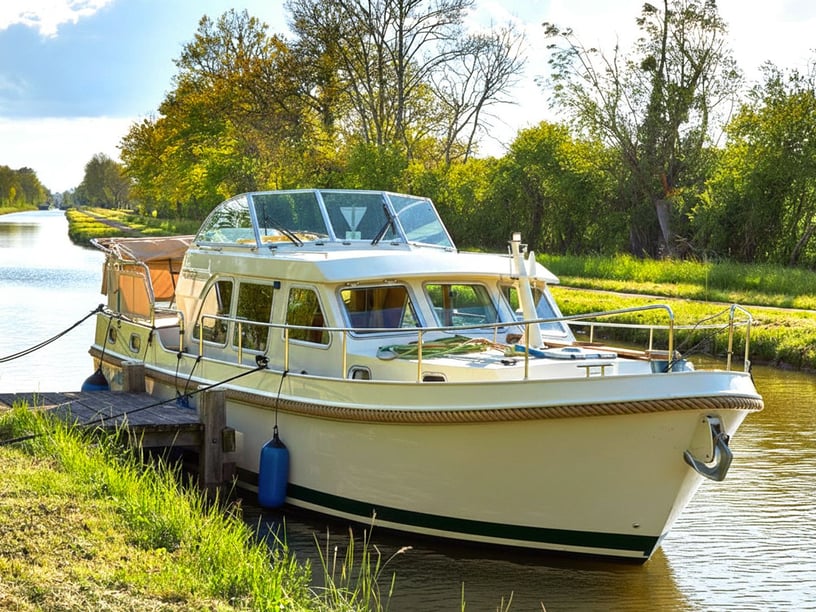
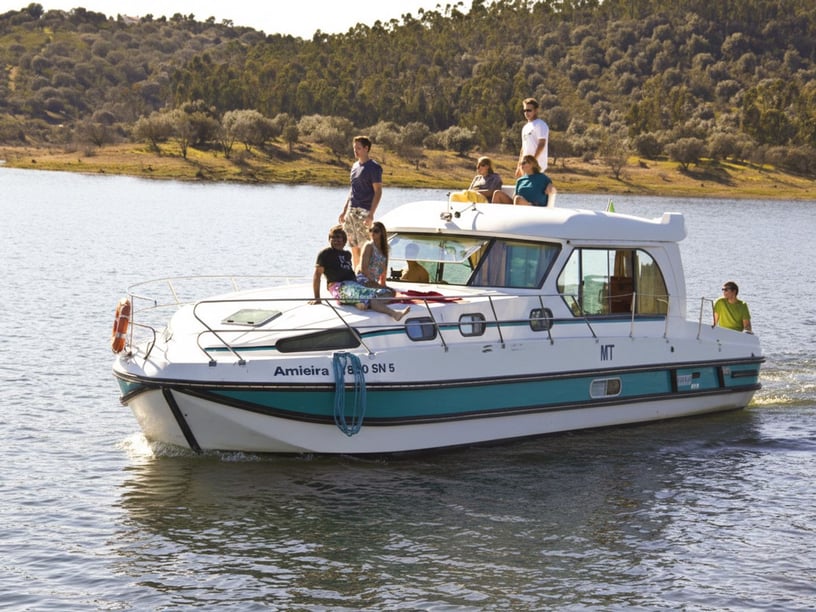
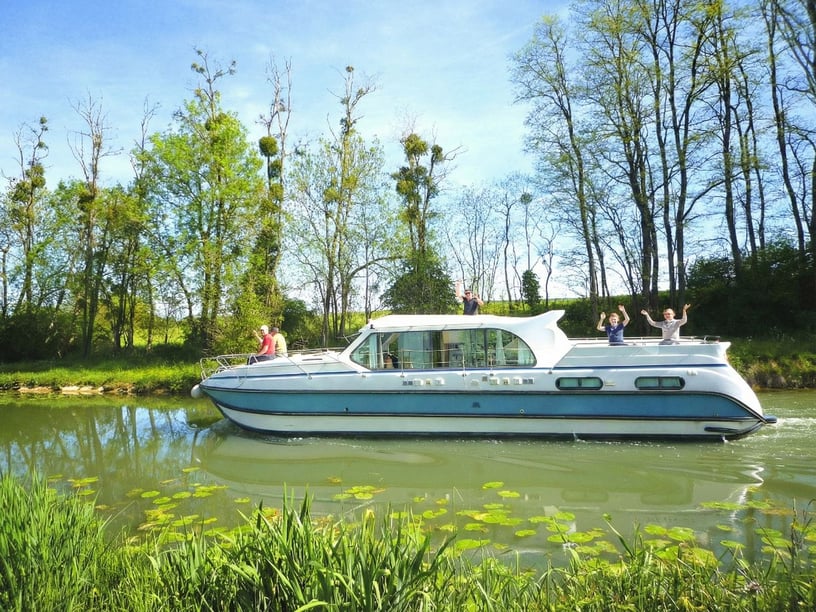
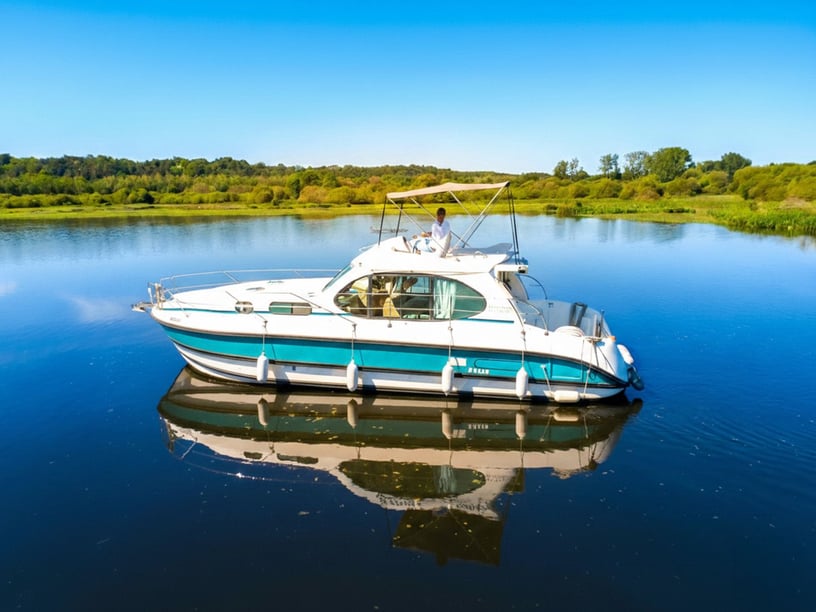
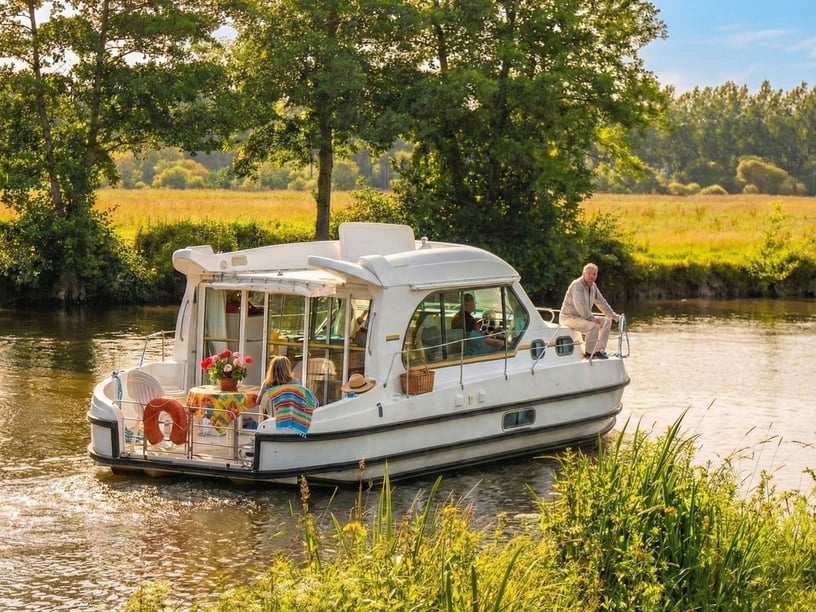
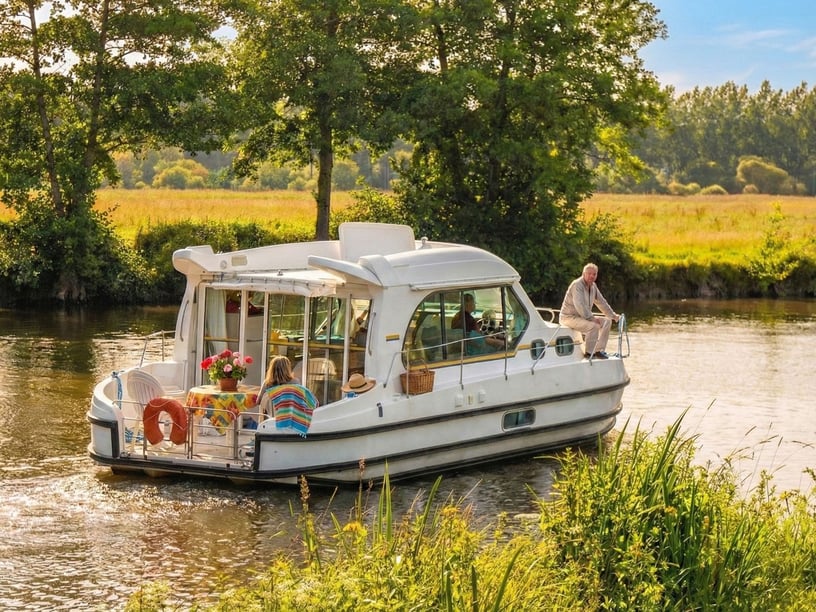
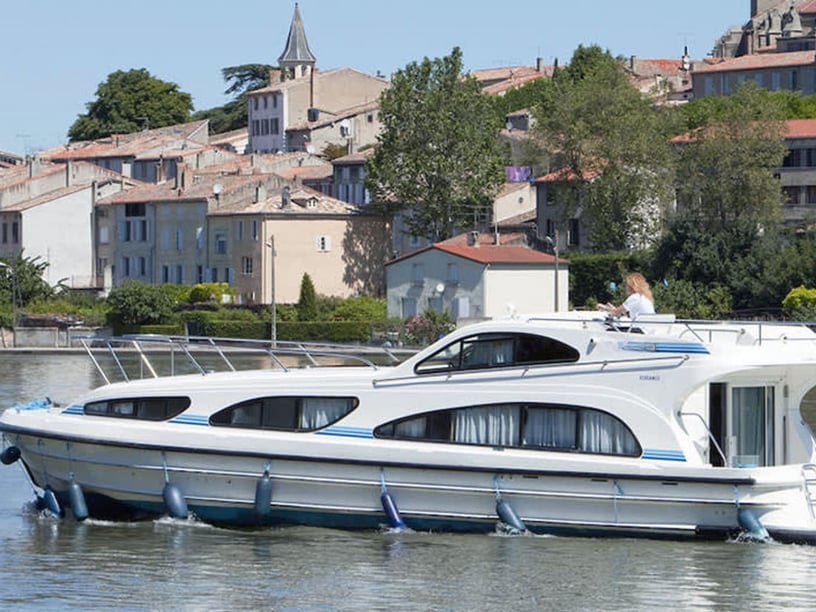
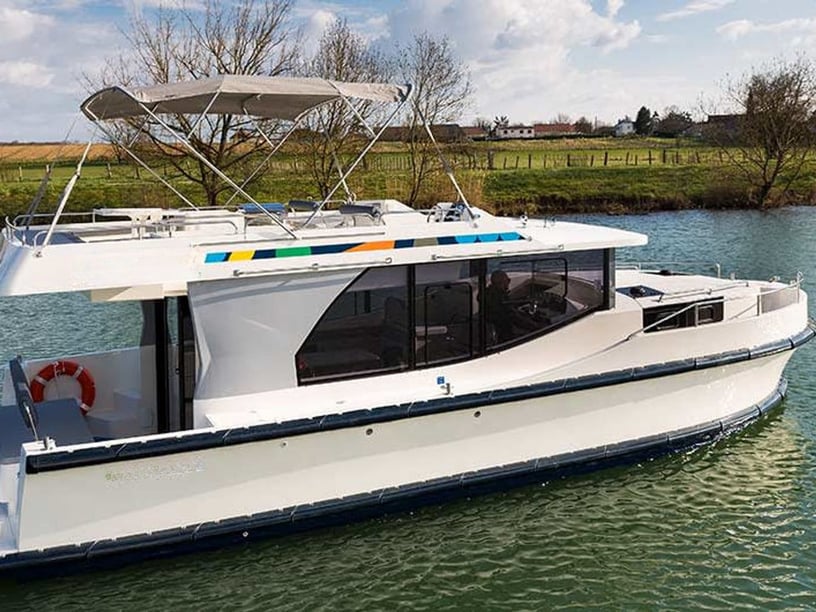
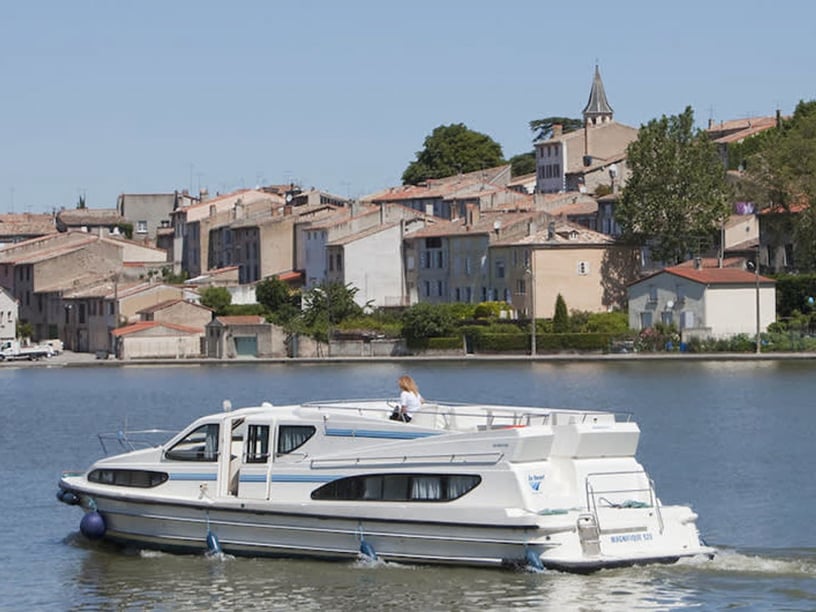
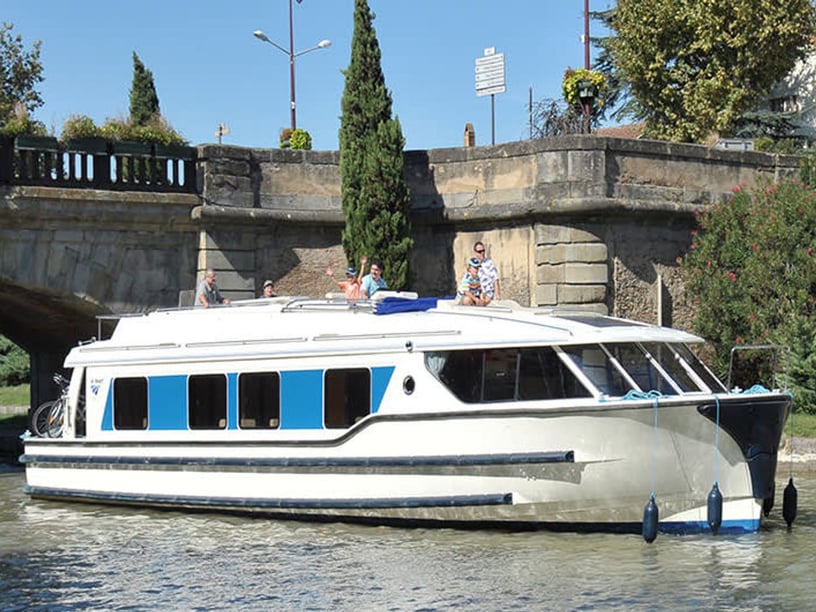
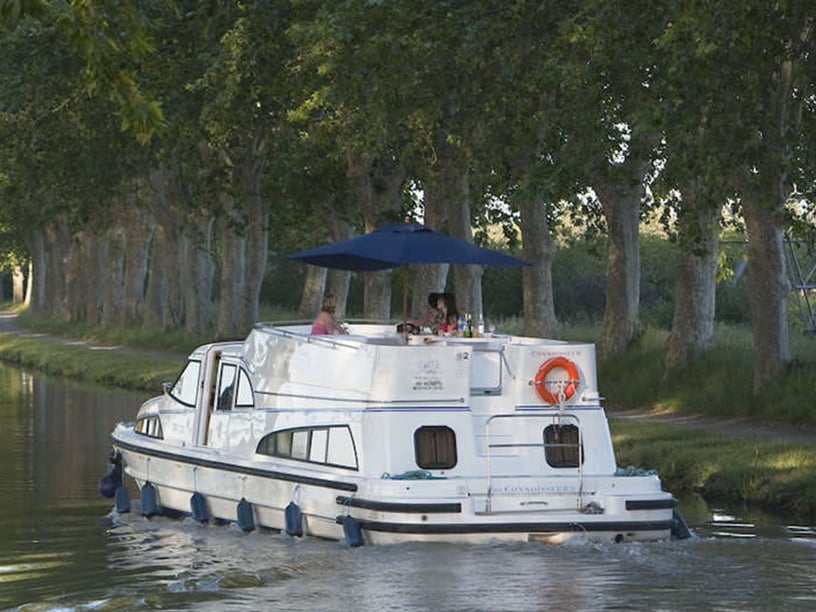
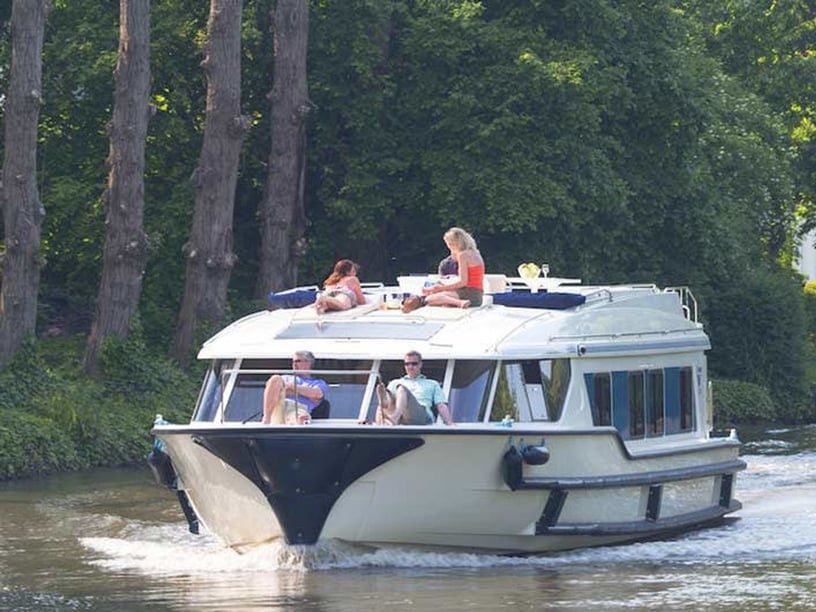
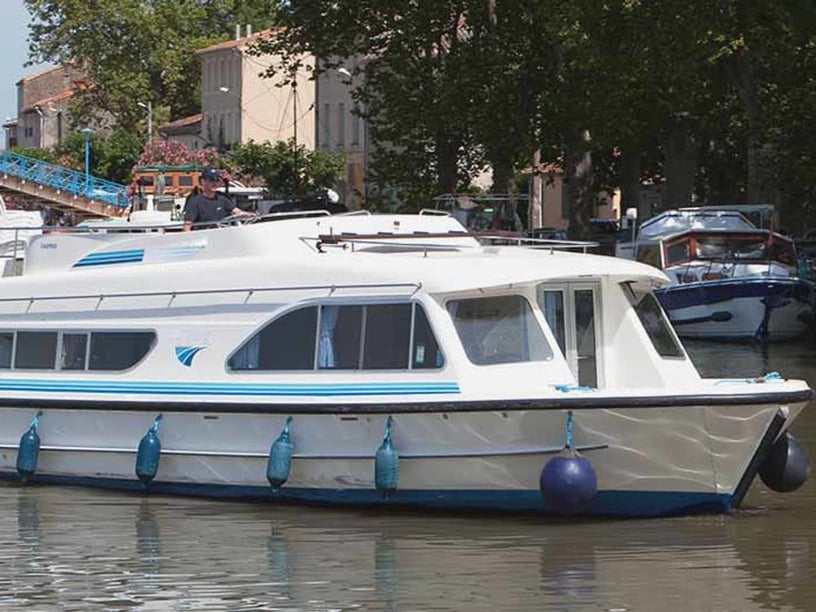
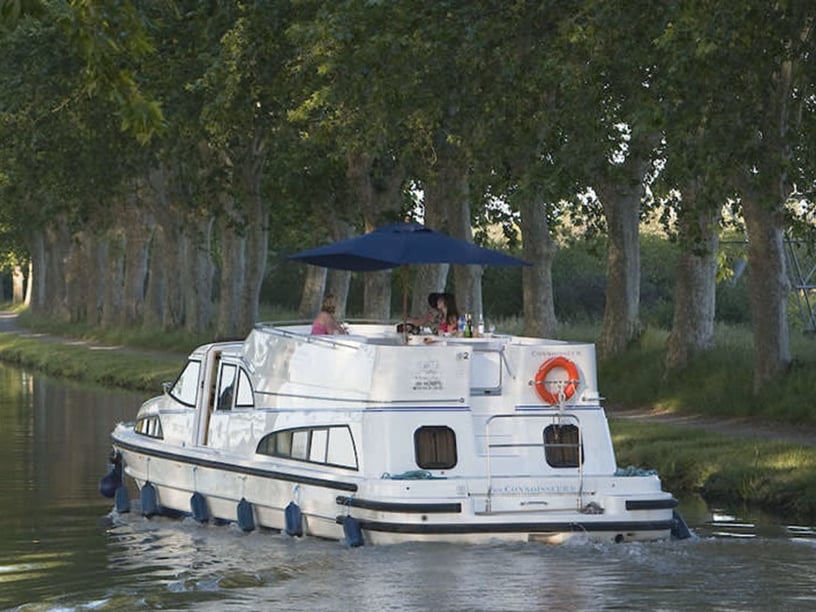
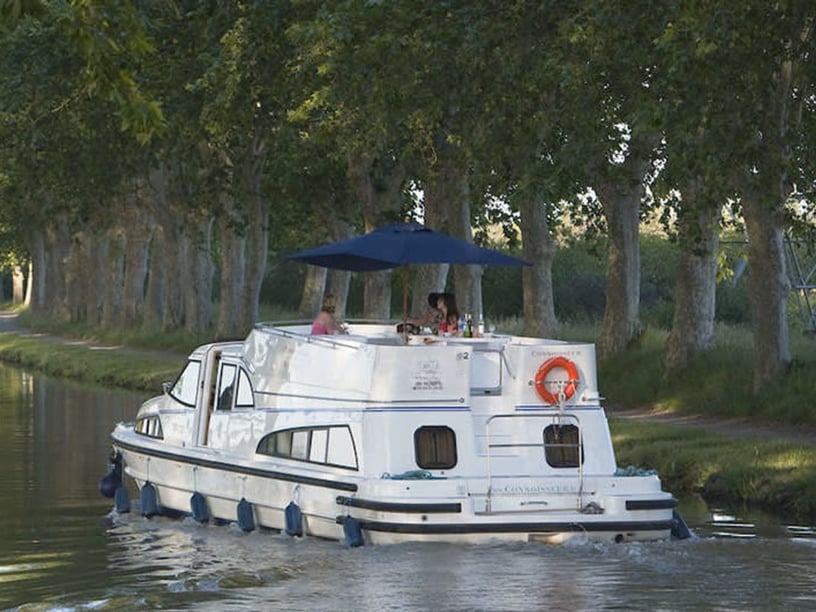
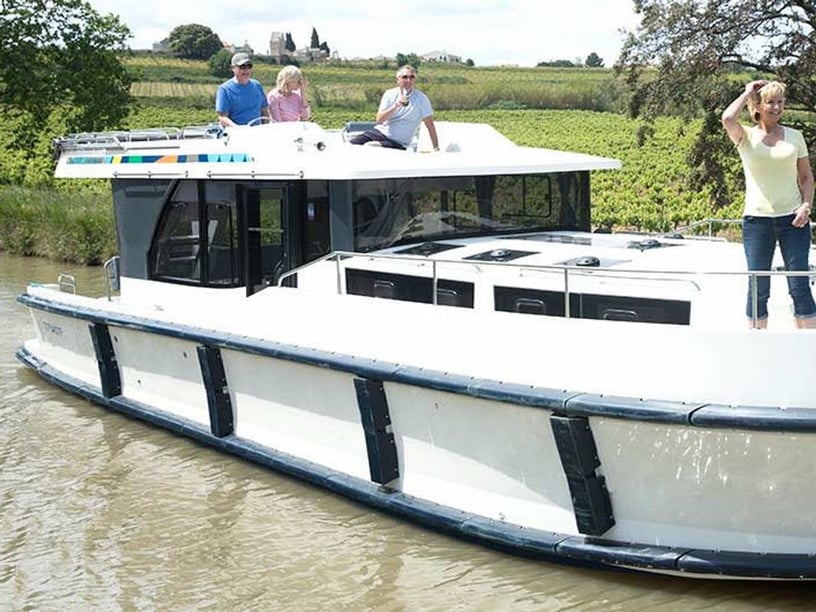
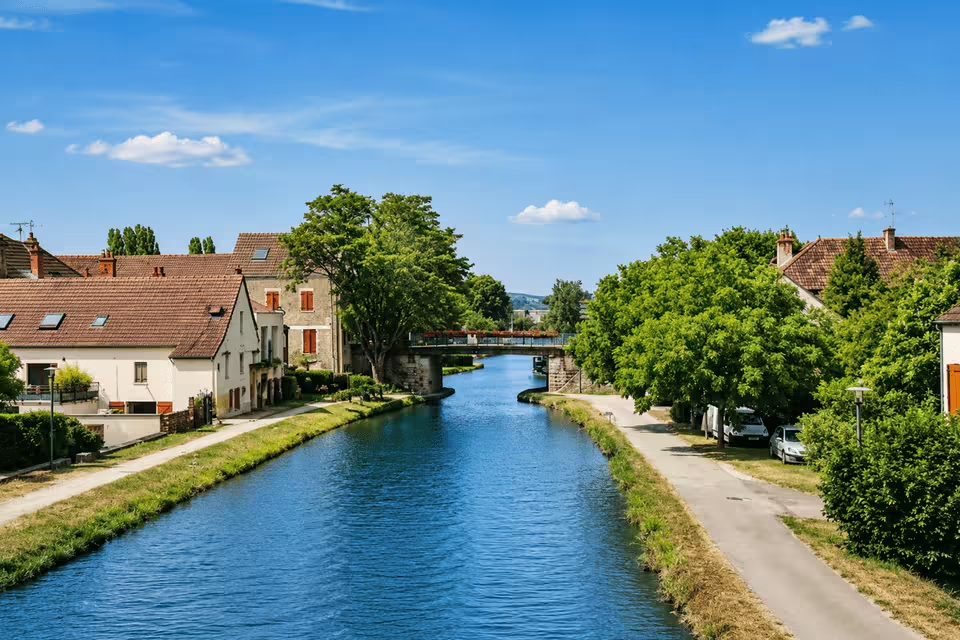
Joigny is a historic riverside town in northern Burgundy and an established starting point for inland cruising on the navigable River Yonne. A yacht charter here is quite different from a coastal sailing holiday: the typical experience involves a self-drive motor cruiser or pénichette, sheltered waterways and a steady progression through locks rather than open-sea passages.
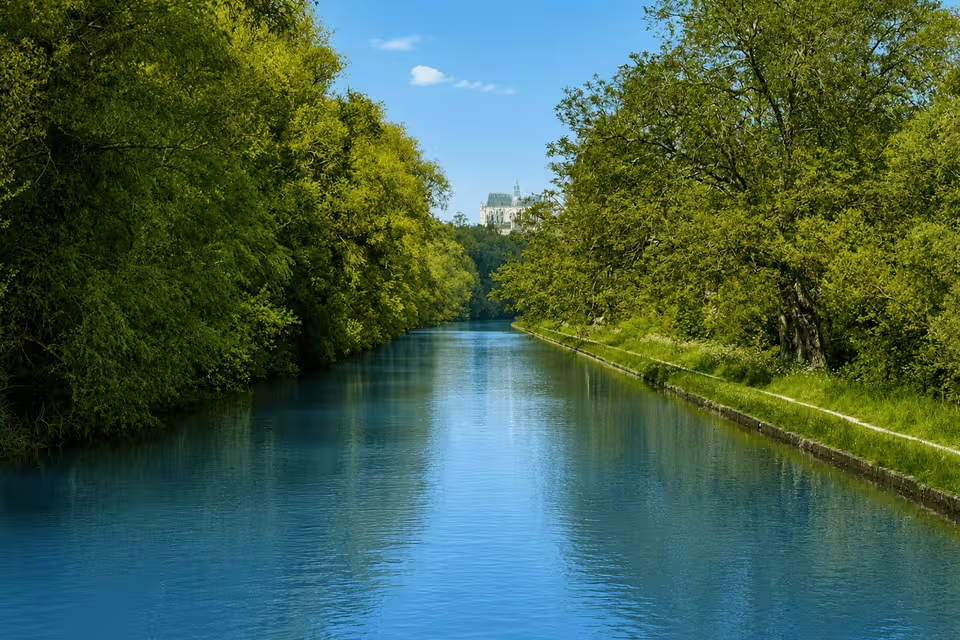
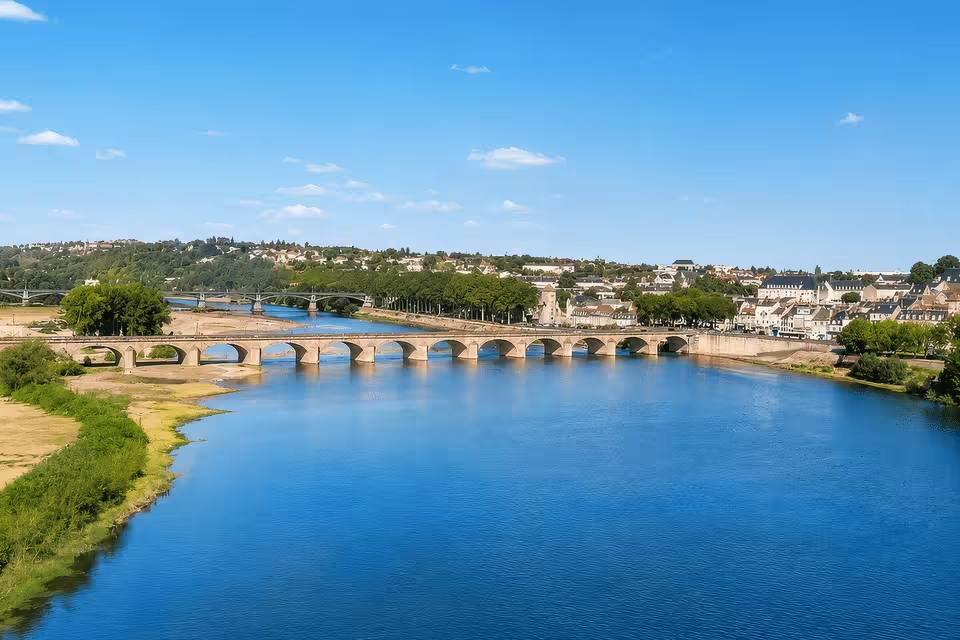
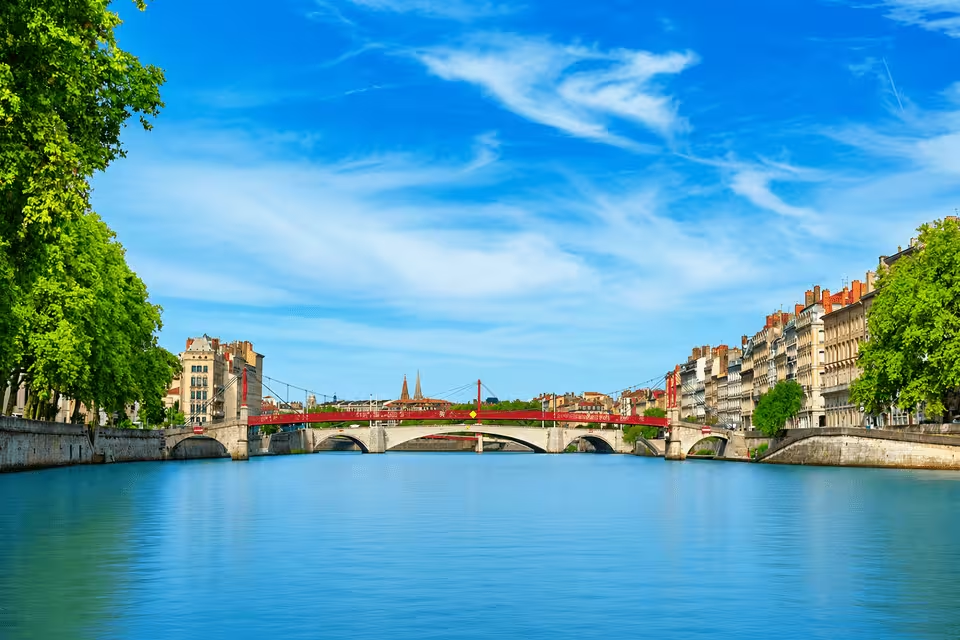
Within the broader choice of yacht charter in France, Joigny offers a route shaped by vineyards, wooded banks and historic towns. The center rises above both sides of the Yonne, while Port des Maillotins provides convenient access to the quays and old quarters. Nearby waterway junctions also allow travelers to choose between the Yonne, the Canal de Bourgogne and routes toward the Canal du Nivernais.
Places to explore from Joigny
Upstream, Migennes is the key junction for expanding a Joigny itinerary. Here, the Canal de Bourgogne branches away from the Yonne, while the river continues toward Auxerre and connections with the Canal du Nivernais. Auxerre is a natural objective for a shorter cruise, combining a waterside arrival with another of Burgundy’s notable historic centers.
Downstream, Villeneuve-sur-Yonne and Sens offer a sequence of heritage stops along the river. Travelers seeking a longer canal journey can turn toward Tonnerre, Tanlay and Ancy-le-Franc on the Canal de Bourgogne, where château visits can be incorporated into the route. These places are best understood as connected stages of an inland journey rather than isolated sightseeing excursions.
What cruising on the Yonne is like
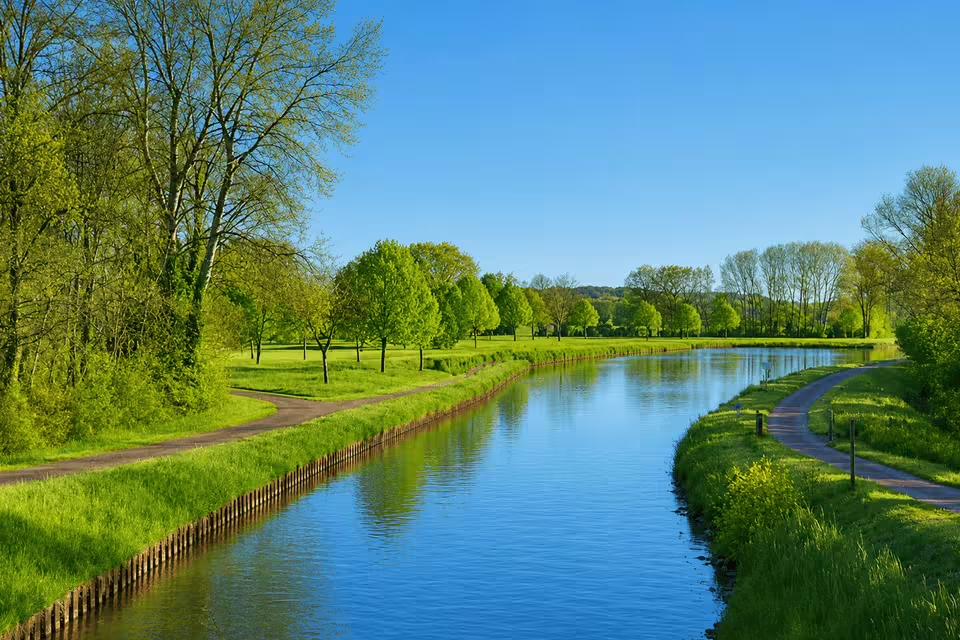
Cruising around Joigny is sheltered and predominantly lock-to-lock. There are no tides or ocean swell, and summer winds are normally light. Days tend to be structured around short river passages, lock operating periods and stops in towns or rural settlements rather than long hours under sail.
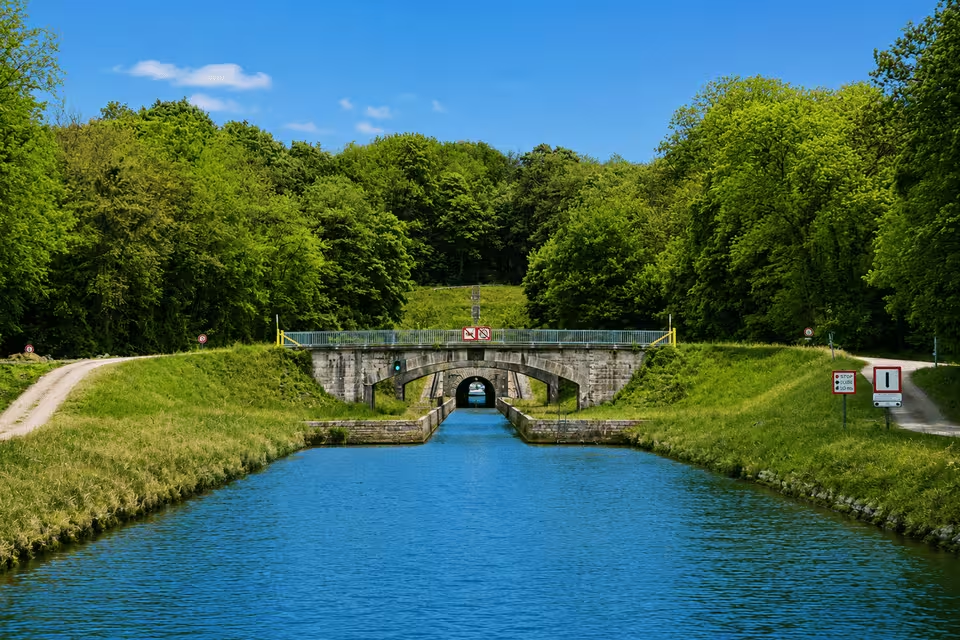
The absence of open-sea conditions does not make the route entirely effortless. River current, weirs, narrow navigation cuts and repeated locks require attention. Some locks have sloping chamber walls, making line and fender handling particularly important. Overall difficulty is moderate: the challenge lies less in weather exposure than in managing the boat accurately and planning realistic daily distances. High water after prolonged rain can suspend pleasure navigation, while low water may affect connected canals.
Best time for a Joigny charter
April through October is the main practical cruising season, with June, July, August and September generally providing the warmest and most comfortable conditions. May is also part of the active season, while April and October suit travelers prepared for cooler, more changeable weather and potentially reduced operating arrangements.
Winter is cold, cloudy and frequently frosty, and both charter activity and waterside services are much more limited. Rain is possible throughout the year. Because water levels and navigation arrangements can change, seasonal timing should be checked separately for the Yonne and any connected canal included in the itinerary.
Cruising routes from Joigny
A return trip between Joigny and Auxerre is a practical introduction to Yonne cruising, linking two historic Burgundy towns without requiring a long canal itinerary. For a week-long journey, the route can continue from Auxerre toward Vermenton and Châtel-Censoir on the northern Canal du Nivernais before returning to Joigny.
An alternative is to pass through Migennes and enter the Canal de Bourgogne, traveling toward Tonnerre, Tanlay and Ancy-le-Franc. This route gives greater emphasis to canal scenery and château stops. Heading downstream through Villeneuve-sur-Yonne and Sens toward Nogent-sur-Seine creates a longer river itinerary. In every case, route length should be judged by the number and operating times of locks, not by road distance.
History, vineyards and life ashore
One of Joigny’s strengths is the ease of combining cruising with time ashore. From the river port, travelers can walk into historic quarters containing sixteenth-century half-timbered houses, Gothic and Renaissance churches and the Château des Gondi. The carved façade of the Maison de l’Arbre de Jessé is especially distinctive, depicting the Tree of Jesse on a civic building.
The river also connects naturally with Joigny’s wine heritage. Vineyards have been documented here since 1082, and the Côte Saint-Jacques is associated with Burgundy wines including a traditional vin gris made from Pinot gris. Walks toward the Côte Saint-Jacques viewpoint, time on the quays and stops in smaller riverside communities give the journey a balanced rhythm of cruising, heritage and gastronomy.
Getting to the port and starting your trip
Port des Maillotins, on Quai du Port au Bois, is the principal departure point identified in Joigny. Its position close to the historic center makes the town both a practical embarkation area and a worthwhile first or final stop. Other relevant ports along potential routes include the pleasure harbors at Auxerre and Villeneuve-sur-Yonne.
Joigny has a railway station with regional connections to Paris, Laroche-Migennes, Auxerre and other towns in the Yonne valley. International visitors commonly travel onward from Paris-Orly or Paris Charles de Gaulle Airport by rail or road. The town is also accessible from the A6 motorway, and the station, port and historic center are relatively close to one another.
Planning a boat rental in Joigny
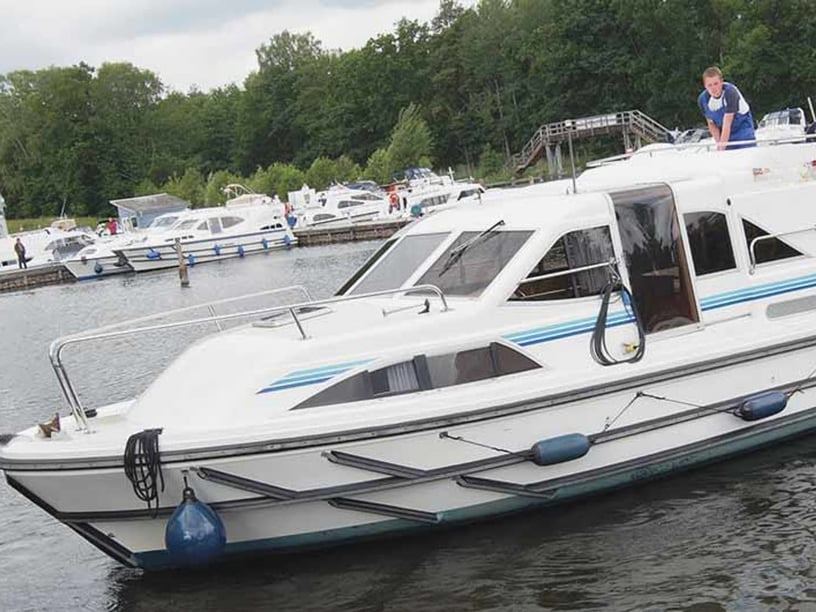
When researching boat rental in Joigny, first decide whether the priority is a shorter Yonne river cruise or a slower itinerary incorporating the Canal de Bourgogne or Canal du Nivernais. The local experience is primarily suited to inland motor cruisers and pénichettes rather than conventional sailing yachts. Boat handling in locks, onboard comfort and suitability for the intended route are therefore more relevant considerations than sailing performance.
Plan daily stages around lock schedules and allow time for going ashore rather than trying to cover maximum distance. Before departure, consult current Voies navigables de France notices for floods, low water, maintenance work and changes to lock arrangements. The connected canals can have more seasonal operating patterns than the main Yonne navigation. Crews should also be ready with lines and fenders before entering locks, remain within marked navigation channels and keep clear of weirs.