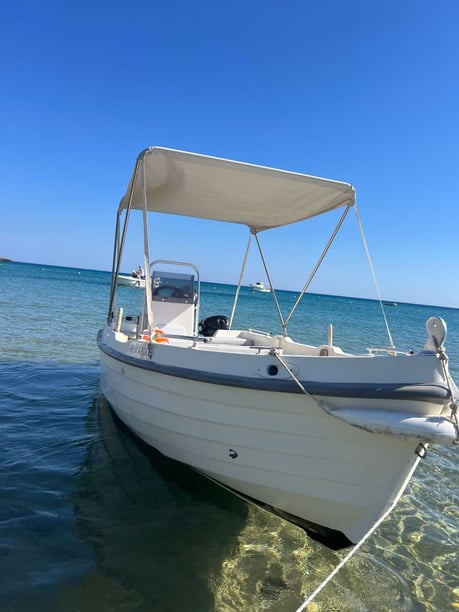
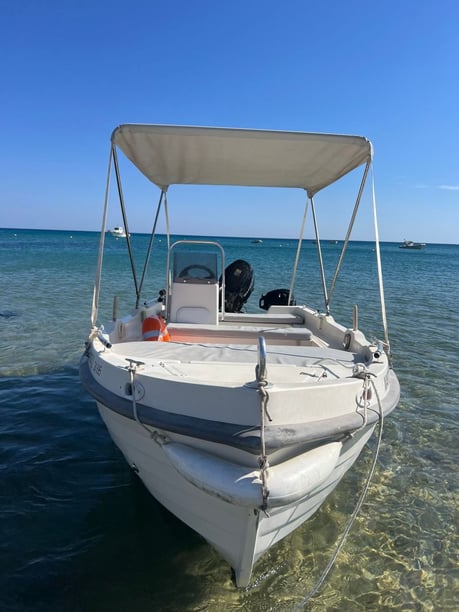
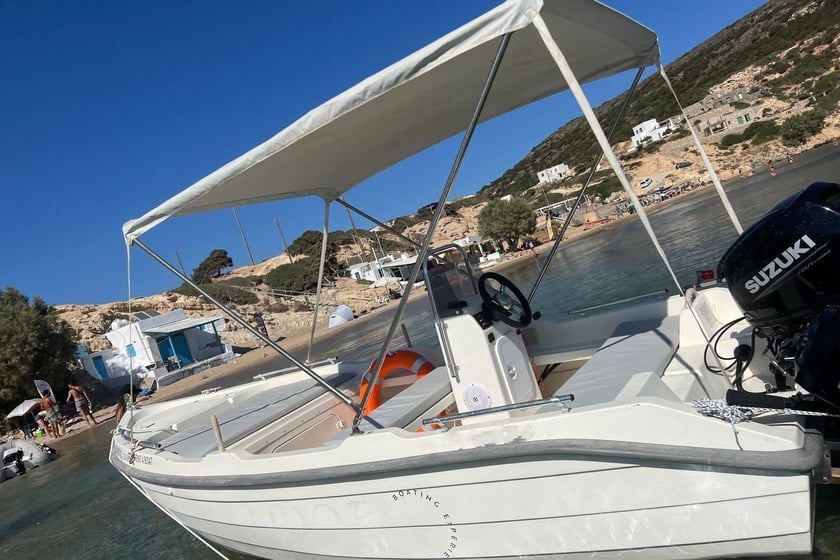
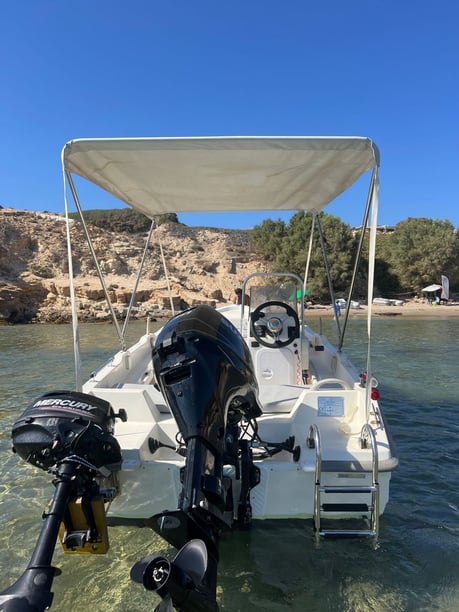
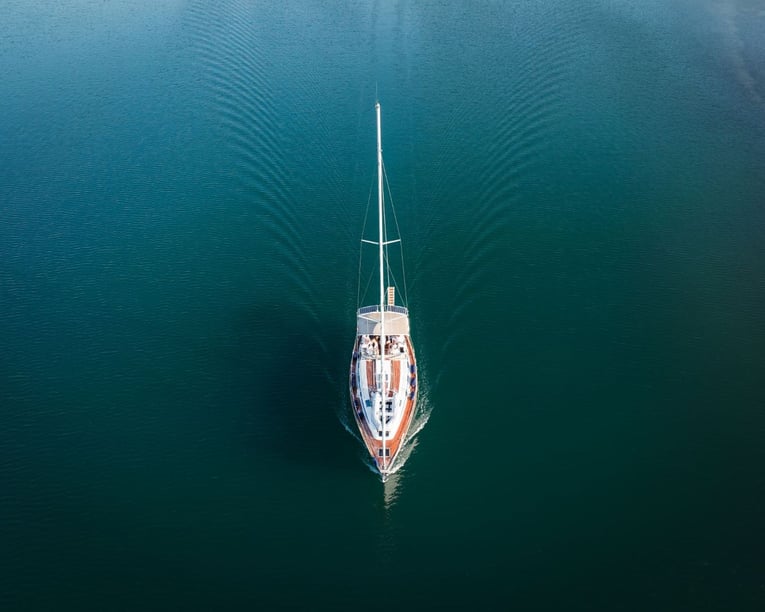
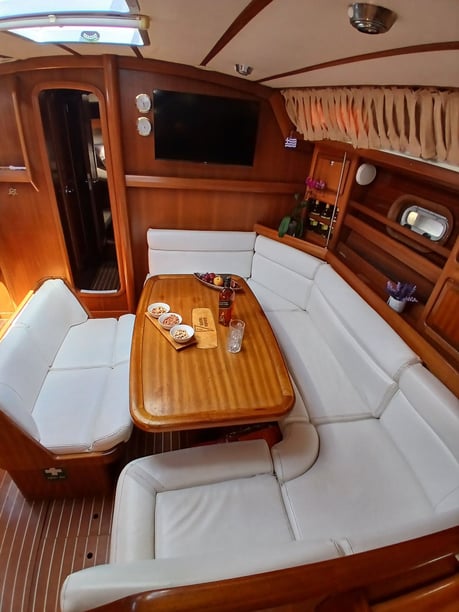
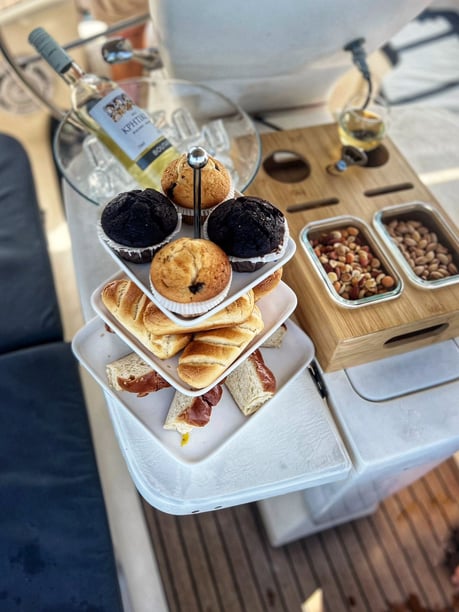
Yacht charter in Milos
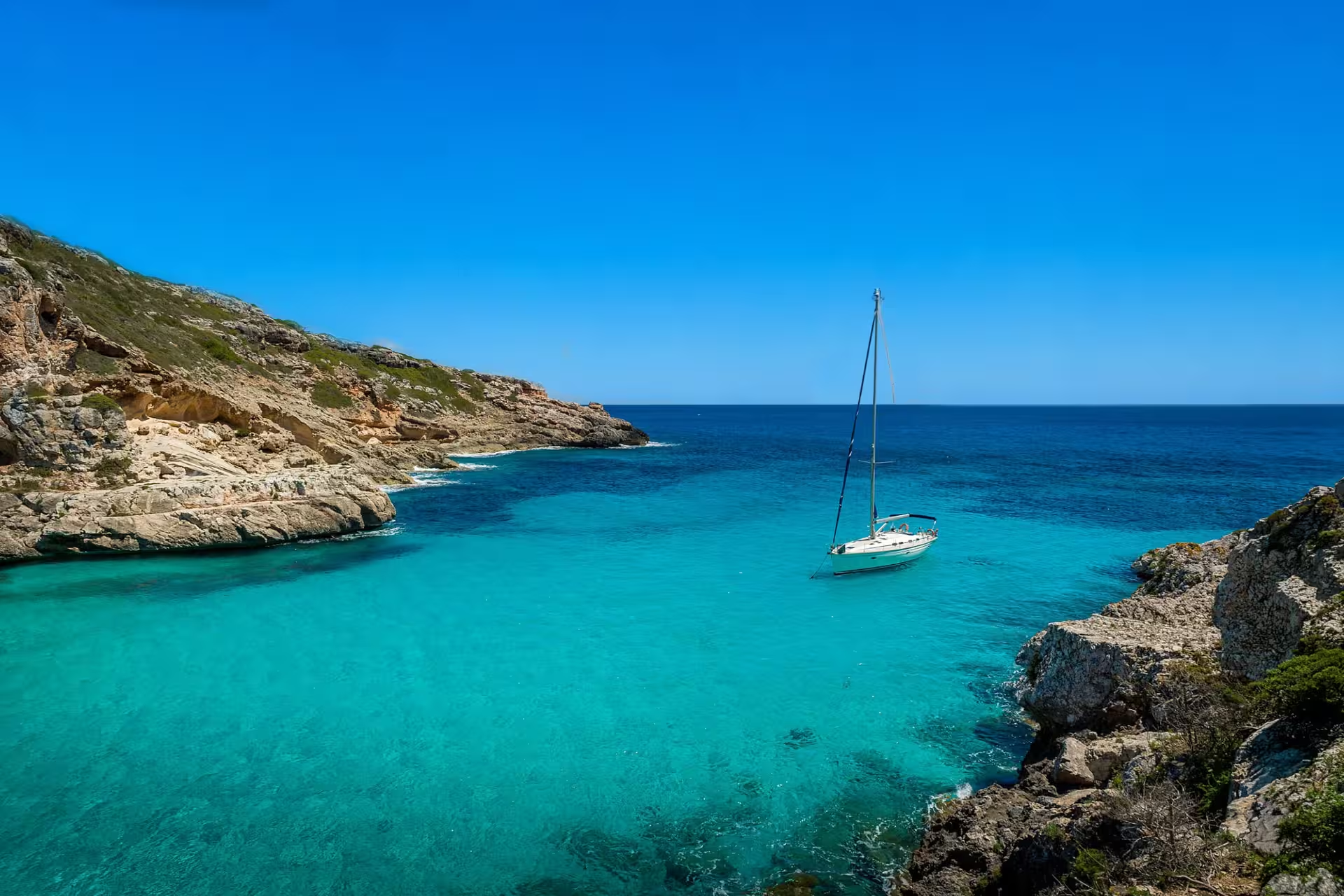
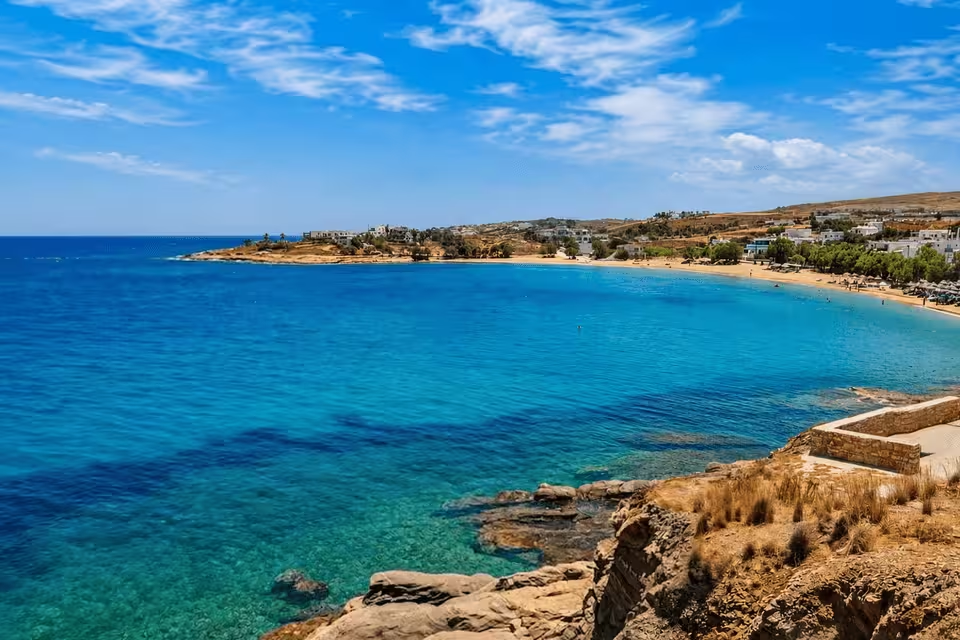
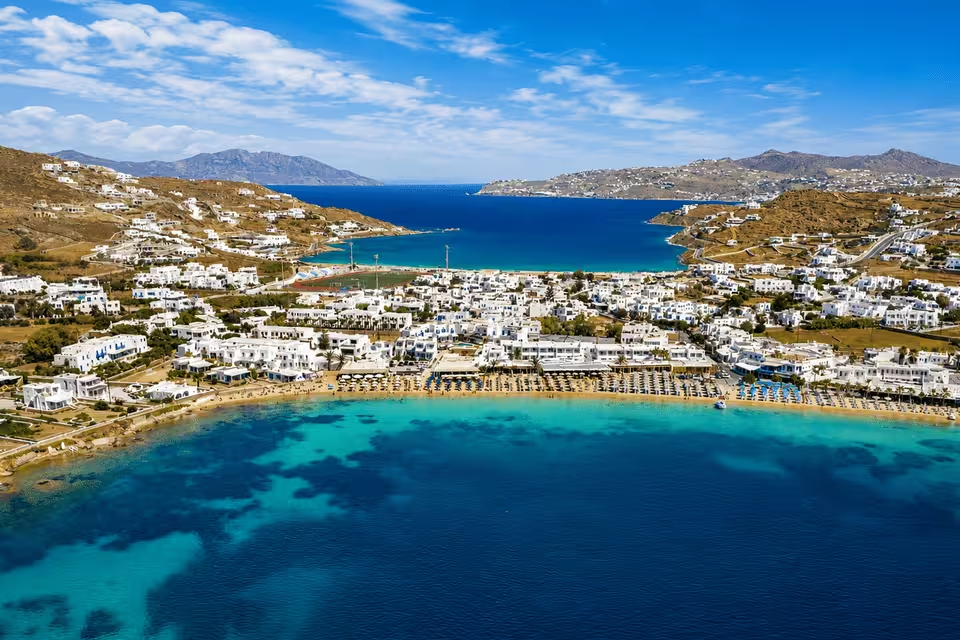
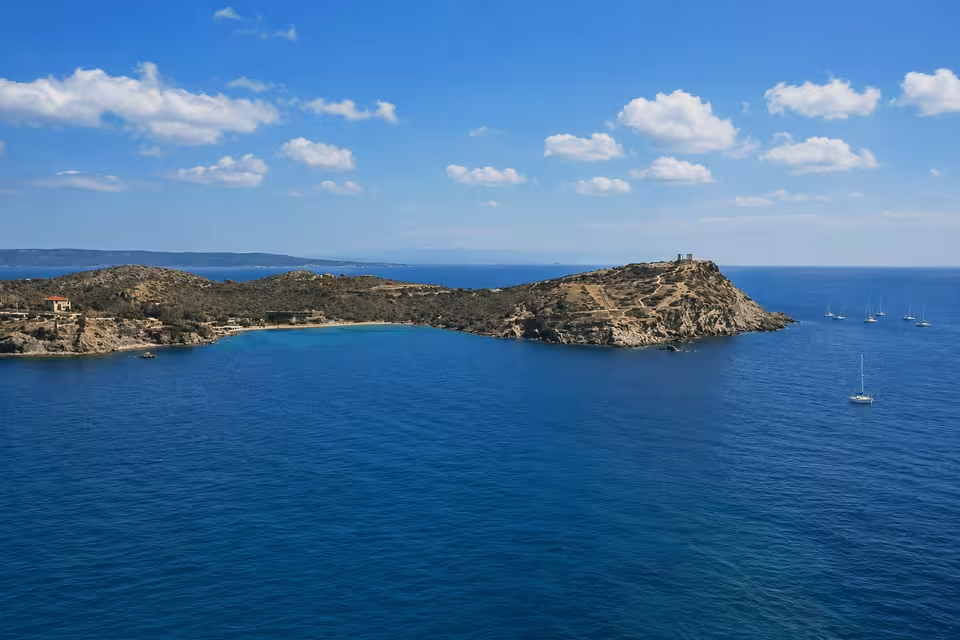
Milos lies in the southwestern Cyclades, where its horseshoe-shaped coastline encloses the deep Gulf of Milos. The island’s volcanic geology is central to its appeal from the water: pale tuff cliffs, darker lava formations, sea caves, rock towers and beaches unfold around a varied coast that is not always easily explored by road.
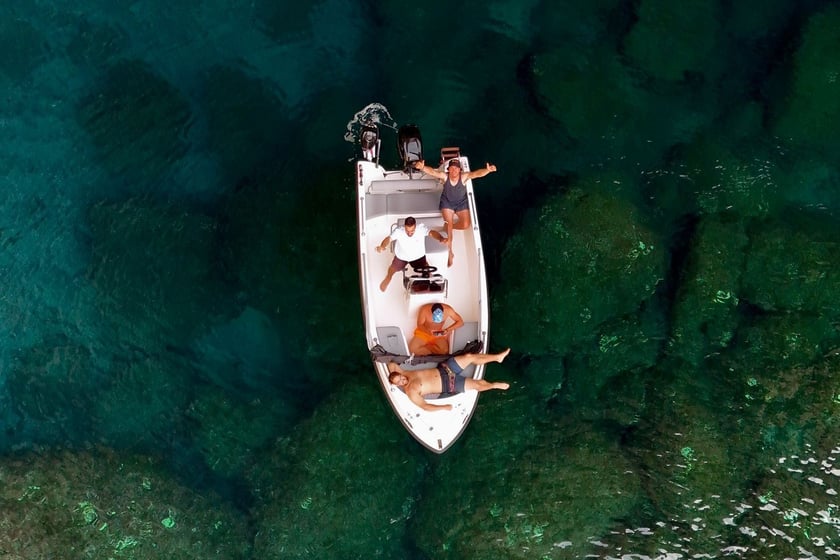
A yacht charter in Milos can combine sheltered staging inside the gulf with voyages along the more exposed outer shores. Some of the island’s signature coastal formations are most practical to reach by boat, while nearby Kimolos and Polyaigos extend the cruising area without shifting the focus far from Milos. Within the broader choice of yacht charters in Greece, this is a destination particularly suited to coastal exploration, swimming stops and flexible routes shaped by the wind.
Coastal places to explore
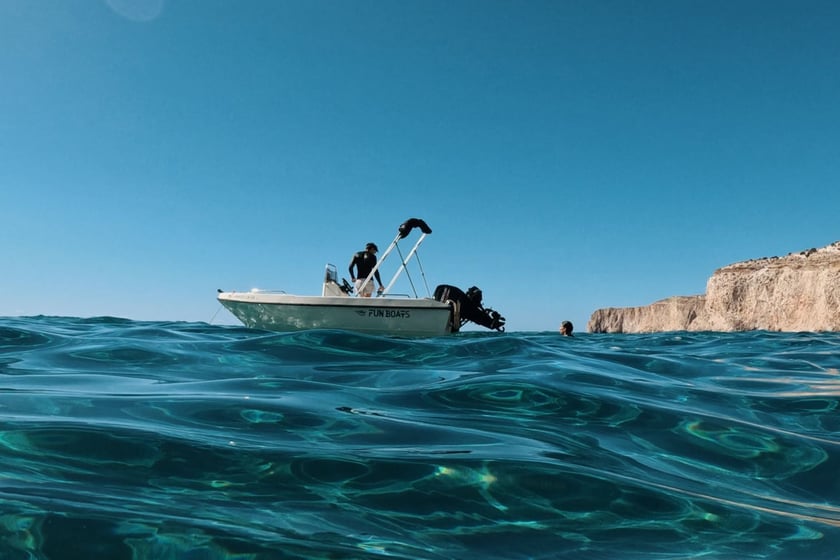
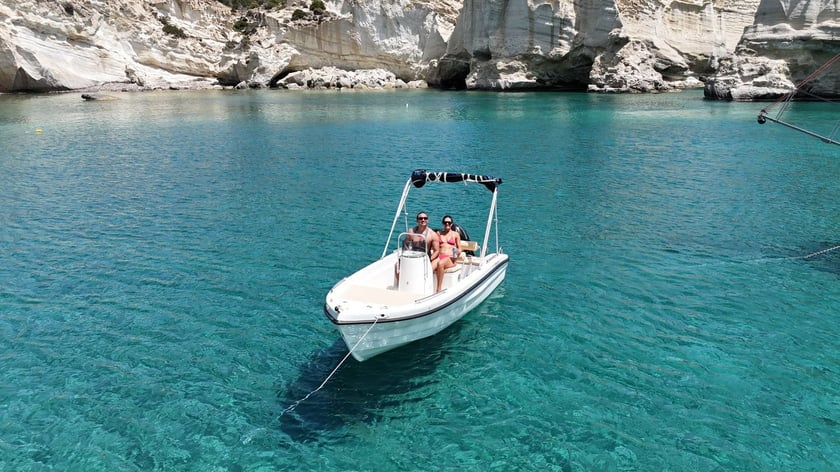
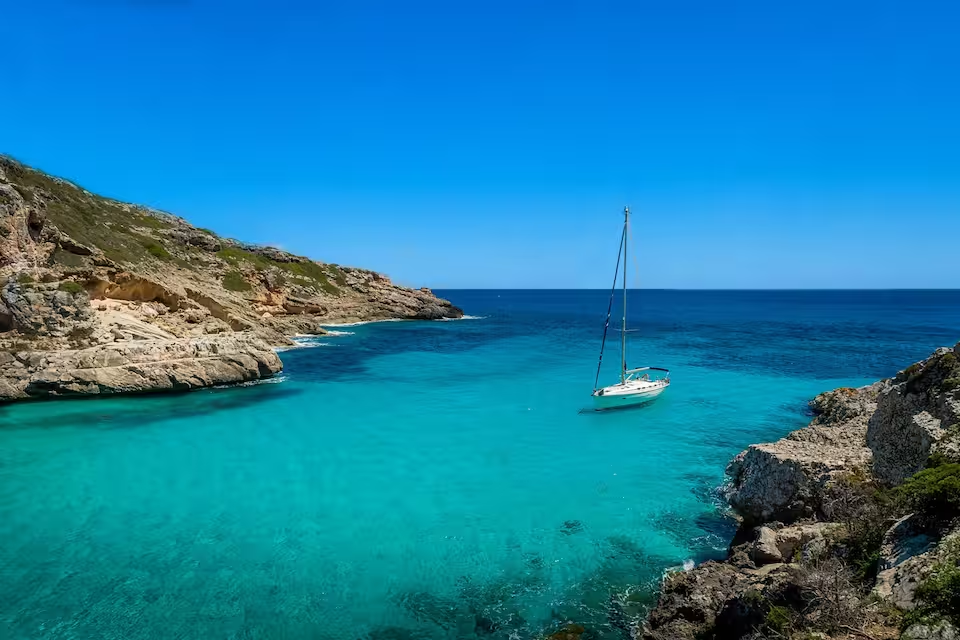
Kleftiko is the defining stop on many Milos itineraries. Its sea caves, arches and rock towers sit beneath the island’s cliff-lined western coast, an area with limited access from land. Sykia Cave and the mineral-colored cliffs around Cape Vani can be incorporated into the same side of the island when conditions permit.
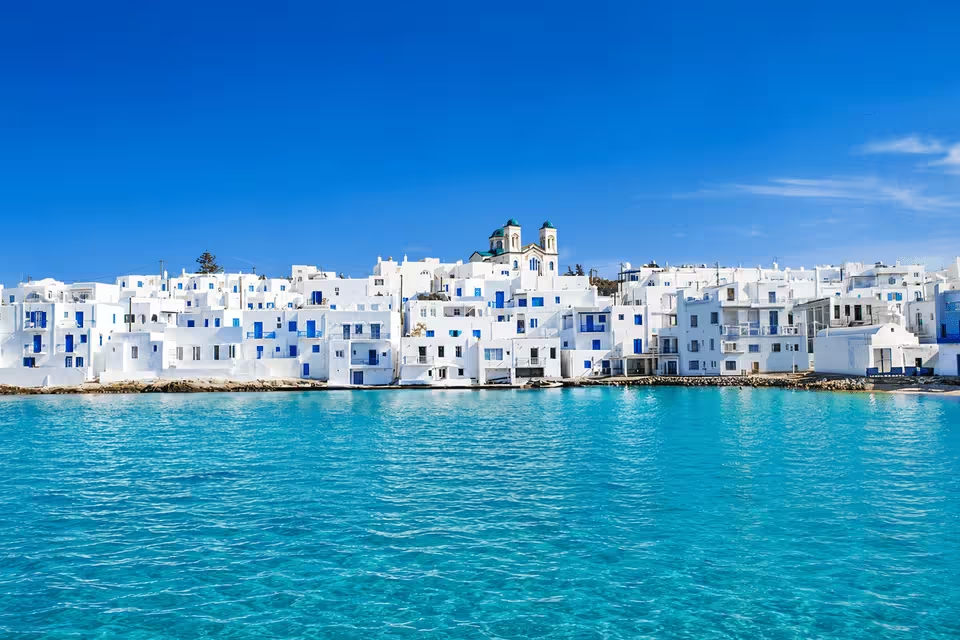
The Gulf of Milos provides a contrasting setting. Adamas occupies the island’s principal natural harbor, while Klima is known for its syrmata—colorful waterfront structures with ground-floor spaces originally used to pull fishing boats ashore. Bays including Agios Dimitrios, Emporio and Achivadolimni create possible stopping points within the gulf, although suitability depends on the day’s wind.
To the northeast, Pollonia faces Kimolos across a short channel. Psathi on Kimolos is a natural objective for an inter-island outing, while Polyaigos adds a sparsely inhabited coastline and remote swimming and snorkeling stops. These neighboring islands work well as extensions to Milos rather than requiring a wide-ranging Cycladic itinerary.
Sailing conditions around Milos
Cruising around Milos is generally moderate in difficulty, but the experience differs considerably between the enclosed gulf and the outer coastline. The Gulf of Milos offers useful shelter and staging, whereas passages around the western, northern and southern shores are more exposed. Several scenic stops are fair-weather anchorages rather than developed harbors, so an itinerary needs room to change.
The summer meltemi is the main influence on local sailing. These northerly winds are usually strongest and most persistent in July and August and can create rough conditions along exposed northern shores. Selected southern bays may provide better lee during northerlies, but a change to southerly winds can reduce comfort in parts of the gulf and at Adamas.
Wind direction therefore determines more than sailing time: it can decide which side of Milos is appropriate to explore. A fixed promise to visit every landmark is less useful than a route that can switch between the western cliffs, southern bays, the gulf and the northeastern island group.
The best time to charter
The principal boating season around Milos runs from May through October. May, June and September are identified as particularly suitable months, generally offering a good balance of comfortable temperatures and weather windows for reaching sections of the exposed coastline.
July and August bring the most consistently hot and dry conditions, but they also coincide with the strongest meltemi episodes. Travelers choosing these months should expect route flexibility to be an important part of the trip. October remains within the broader boating period, though conditions should be assessed carefully when planning outer-coast passages.
Winter activity and visitor services are substantially reduced. For a charter centered on caves, remote anchorages and neighboring islands, the late-spring to early-autumn window is the most practical.
Route ideas from Milos
A classic outing begins at Adamas and follows the northwestern and western coastline past Cape Vani and Sykia Cave toward Kleftiko before returning through the Gulf of Milos. This route concentrates many of the island’s major geological features into one voyage, but its feasibility remains weather-dependent.
A full circumnavigation adds the southern beaches and the eastern and northern coasts. It provides a broader view of Milos’s changing volcanic landscape, although the greater exposure means it should be treated as a flexible objective rather than a guaranteed circuit.
From Pollonia, the short crossing to Psathi on Kimolos suits a compact inter-island trip. A wider route linking Milos, Kimolos and Polyaigos can combine village visits with remote swimming and snorkeling stops around the neighboring islands.
Experiences on the water and ashore
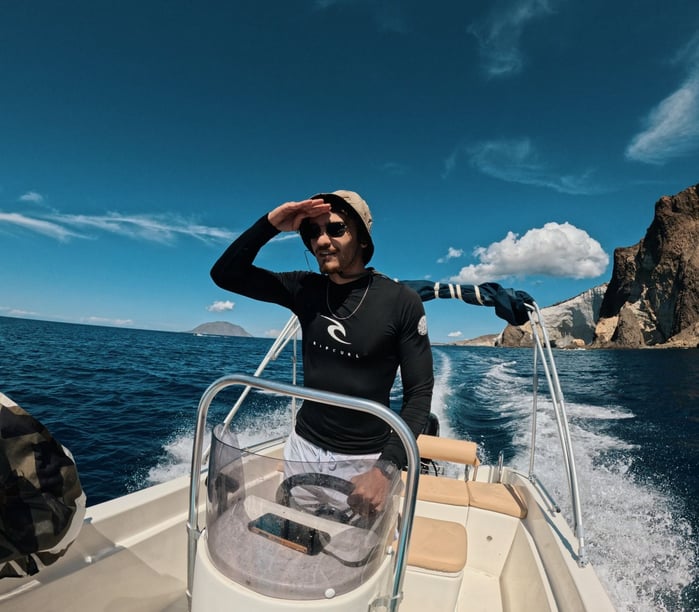
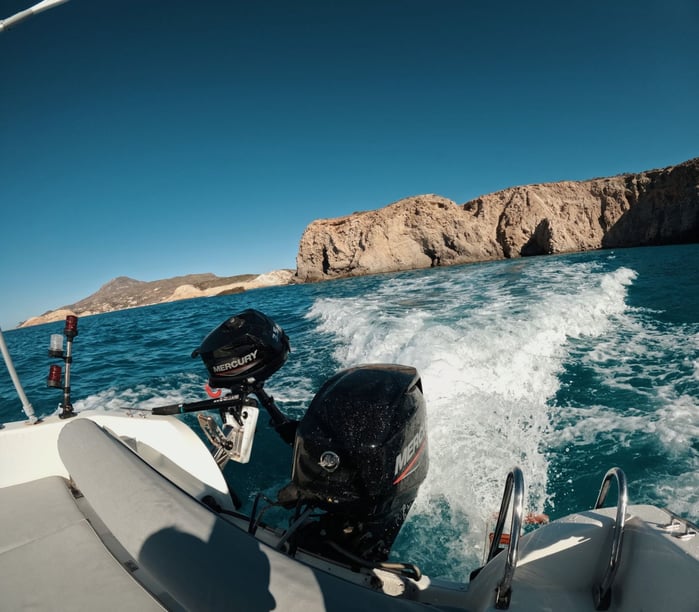
A Milos yacht charter is shaped by close-up encounters with the island’s volcanic coast. Around Kleftiko and Sykia, cruising reveals caves, arches and sculpted rock formations that are difficult to appreciate from inland viewpoints. Elsewhere, cliffs display white, red, yellow and dark mineral tones, reflecting the geology that has influenced life on Milos for thousands of years.
Time aboard can be divided between coastal passages, anchoring, swimming and snorkeling. Going ashore adds another layer to the journey. Klima and other fishing settlements preserve their syrmata at the water’s edge, while the Ancient Theatre and early Christian catacombs stand above the former ancient city. Plaka, the Mining Museum and the archaeological site of Phylakopi offer further context for an island where obsidian was worked and traded from prehistoric times and industrial-mineral extraction remains part of its identity.
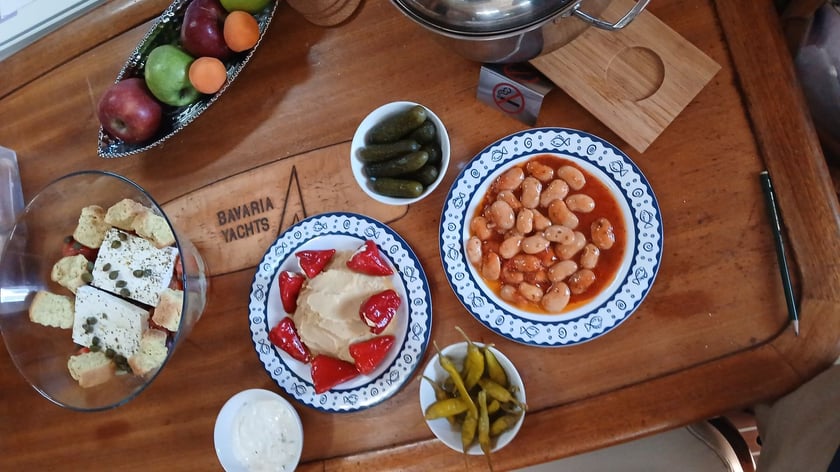
Local food can also form part of an evening ashore, with specialties including cheese-filled pitarakia, tomato-and-onion ladenia, watermelon pie and pumpkin-based koufeto.
Reaching Milos and departure points
Milos can be reached by domestic flights from Athens or by ferry through Adamas, with services from Piraeus and other Cycladic islands. Roads, buses and taxis connect the airport and Adamas with Plaka, Pollonia and the principal eastern and southern coastal areas.
Adamas is the main passenger and yacht harbor and the most significant departure point on the island. Water, electricity and mooring assistance are available, but it is a working port rather than a large, full-service marina. Pollonia is a smaller secondary port with more limited yacht capacity and provides the local sea connection to Kimolos; current berthing arrangements should be checked in advance.
Milos therefore functions both as a place to board certain local trips and as a destination to explore from the water. The precise departure point should be confirmed when arranging the charter rather than assuming every itinerary begins at Adamas.
Planning your Milos charter
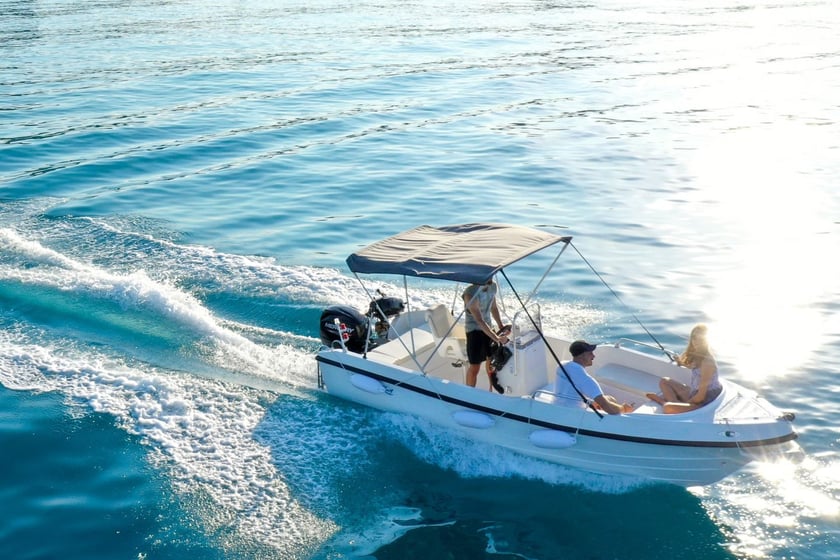
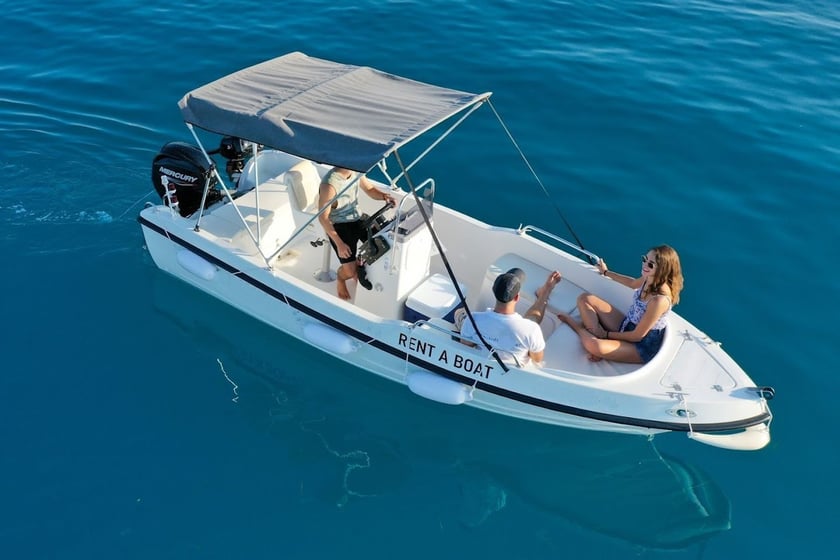
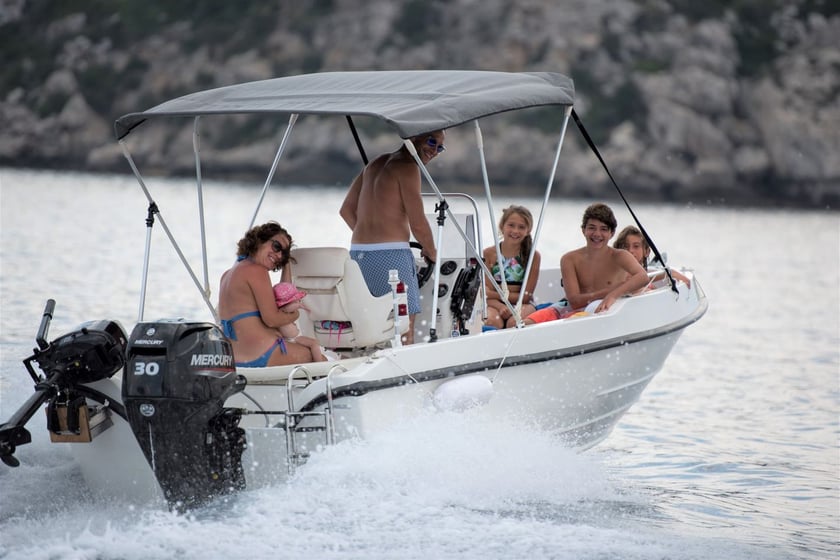
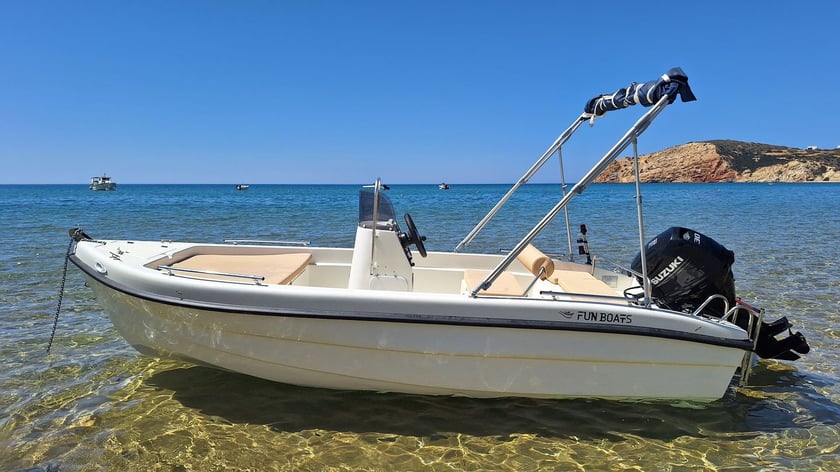
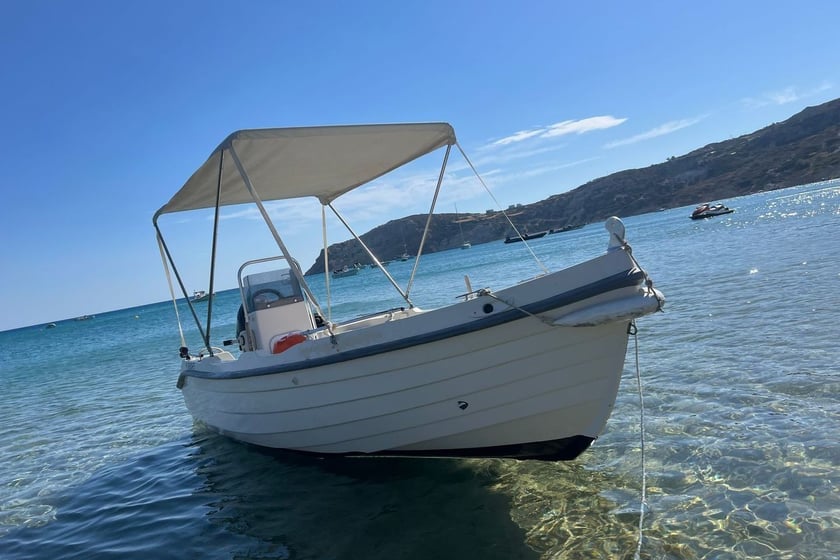
When considering boat rental in Milos, begin with the intended scope of the trip. A western-coast outing focused on Kleftiko and Sykia has different planning needs from a full circumnavigation or a route linking Milos with Kimolos and Polyaigos. Duration alone does not determine what can be covered; wind direction and exposure may have a greater effect on the day’s realistic route.
Ask where boarding takes place and whether the proposed itinerary can be adapted between the gulf, southern bays and outer coastline. This flexibility is especially important in July and August, when the meltemi can be persistent. Pollonia departures also require advance confirmation because berthing capacity is more limited.
Several stops are open anchorages with no developed harbor facilities. Current forecasts, nautical charts and local port guidance are therefore essential, particularly around exposed shores and the shoals near the Pollonia entrance. Choosing a plan with alternative stops will usually provide a better Milos experience than building the trip around one rigid sequence of landmarks.